Global Trade Insights for Nonferrous Metals: Key Players, Policies, and Geopolitical Risks
September 2024 / Nonferrous Metal
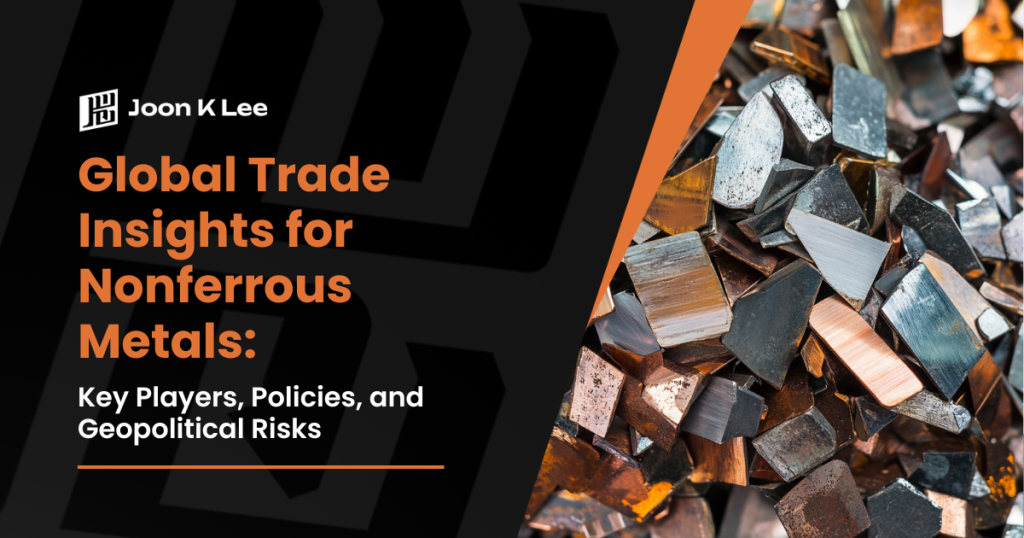
Nonferrous metals like aluminum and copper play a role in industries across the globe, such as construction and electronics to automotive and sustainable energy sectors. The global exchange of iron metals is constantly changing due to factors like supply and demand shifts, international trade regulations, and geopolitical occurrences. It is important for companies, investors, and policymakers to grasp the trade patterns of nonferrous metals in the global market. This article delves into an examination of global trade perspectives regarding nonferrous metals with a spotlight on key producing nations and significant players in exports and imports; it also covers the repercussions of tariffs and trade conflicts as well as geopolitical uncertainties, on supply networks and demand factors.
The Global Landscape of Nonferrous Metals Trade

The global trade of nonferrous metals involves various stakeholders, from miners and refiners to manufacturers and traders. Economic growth, industrial development, and technological advancements influence the demand for these metals. Supply, on the other hand, is shaped by the availability of essential raw materials, mining capacities, and production technologies.
Essential nonferrous metals like aluminum, copper, nickel, zinc, and lead are vital in modern economies. They are crucial for infrastructure development, electrical wiring, electronics, and renewable energy technologies. The global trade of nonferrous metals is, therefore, closely tied to macroeconomic indicators, geopolitical stability, and technological trends.
Key Producing Countries and Exporters of Nonferrous Metals

Numerous nations play a role in producing and exporting nonferrous metals to meet the worldwide demand for crucial raw materials and processed goods. The following are some of the leading producers and exporters of nonferrous metals:
1. China: The Dominant Force in Nonferrous Metals Production
China stands out as the global player in both producing and consuming various nonferrous metals such as aluminum, copper, and zinc. The country’s swift industrial growth and infrastructural advancements have significantly boosted its appetite for these metals. Consequently, China has poured resources into expanding its mining, smelting, and refining capabilities to cater to its internal demands while also catering to the international market.
– Aluminum Production: China produces more than half of the global supply of aluminum due to its plentiful bauxites and government-backed efforts in expanding smelting capabilities. Furthermore, the nation stands as the provider of aluminum goods worldwide, serving significant markets across Asia, Europe, and North America.
– Copper Production: China plays a role in the copper industry by sourcing raw materials from countries such as Chile, Peru, and Zambia to support its extensive smelting and refining activities. Moreover, the government has been expanding its investments in mining ventures to ensure a steady copper supply.
2. Chile and Peru: Copper Giants of the World
Chile and Peru stand out as the leading copper producers, a crucial nonferrous material essential for electrical wiring infrastructure development and sustainable energy initiatives. The combined efforts of these American nations contribute to almost 40 percent of the global copper output.
– Chile: Chile stands as the leading copper producer and boasts renowned copper mines like Escondido and Chuquicamata within its borders. The nation heavily relies upon its copper exports to drive its economy forward and caters to markets in countries such as China, the United States, and Europe.
– Peru: Perú ranks as the world’s largest producer of copper and plays a key role in exporting this valuable resource to China, Japan, and South Korea” It also has a presence in the global market for nonferrous metals due to its substantial exports of zinc and lead.
3. Australia: A Key Player in Bauxite, Zinc, and Lead Production
Australia is known for its production of bauxite (the main source of aluminum). Zinc and lead minerals are also key resources in the country’s thriving mining sector, supported by strong regulations that enable the export of top-notch nonferrous metals.
– Bauxite and Alumina Exports: Australia stands out as a provider of bauxite and alumina globally and maintains important trade relationships with China, India, and Japan for these resources, which play a pivotal role in the production of aluminum across the world.
– Zinc and Lead Production: Australia is one of the leading producers of zinc. Lead globally and export these metals to countries like China, Japan, and South Korea. Zinc and lead are crucial for industrial purposes such as galvanization and battery manufacturing.
Major Importers of Nonferrous Metals

The global trade of nonferrous metals involves several major importing countries that rely on external sources to meet their industrial needs. The following are some of the leading importers of nonferrous metals:
1. United States: A Significant Importer of Aluminum, Copper, and Zinc
The United States depends heavily on imported metals like aluminum and copper to bolster its manufacturing sector and fuel growth in industries such as construction and automotive manufacturing.
– Aluminum Imports: The United States is among the importers of aluminum and depends on countries like Canada, Russia, and the United Arab Emirates for their supply of the metal. This reliance on imported aluminum has sparked debates and tensions during trade talks and tariff conflicts.
– Copper and Zinc Imports: The United States also buys amounts of copper and zinc from nations such as Chile, Canada, and Mexico to aid its electrical, plumbing, and construction sectors.
2. European Union: A Key Market for Nonferrous Metals
The European Union (EU) relies heavily on the importation of metals like aluminum, copper, and nickel due to its thriving automotive, aerospace, and renewable energy industries.
– Copper and Nickel Imports: The European Union brings in copper and nickel from nations such as Russia, Chile, and Canada to satisfy the needs of its manufacturing sectors. Additionally, it serves as a market for aluminum goods sourced from Norway, Russia, and China.
Impact of Trade Policies and Geopolitical Risks on Nonferrous Metals Trade

Trade of metals worldwide can be affected by shifts in trade regulations and tariffs as well as geopolitical happenings, which have the potential to bring about significant changes in supply chains and market prices.
1. Tariffs and Trade Wars
The imposition of tariffs and engagement in trade conflicts significantly affect the market for metals such as aluminum and steel. For example, the trade dispute between the United States and China in 2018 resulted in the implementation of tariffs on metals. This action disrupted supply chains, raised production expenses, and contributed to price fluctuations.
U.S. Section 232 Tariffs
In 2018 the United States applied a 10 percent tariff on imported aluminum and a 25 percent tariff on steel imports as authorized by Section 232 of the Trade Expansion Law to safeguard businesses; however, it triggered counter-tariffs from countries such as China the EU and Canada thus affecting international trade routes.
Impact on Global Supply Chains
Trade barriers and tariffs may cause disruptions in the supply chain for businesses which could prompt them to find suppliers or modify their production plans resulting in market instability, with price changes and longer lead times.
2. Geopolitical Risks and Supply Chain Vulnerabilities
Geopolitical uncertainties like conflicts or political tensions can have an impact on the worldwide trade of metals like copper and aluminum that are not magnetic in nature. Responding to these risks could lead to disruptions in supply chains. Limit access to essential resources while also shaping choices on where to invest money.
Russia-Ukraine Conflict
The prolonged tension between Russia and Ukraine has impacted the international nonferrous metals sector. Export restrictions have caused instability in prices and shortages in supplies globally due to Russia’s major role as a producer and exporter of aluminum, nickel, and palladium.
China-USA Conflict
The increasing tensions between China and the USA are causing concerns about supply chain vulnerabilities in the nonferrous metals sector to grow more intense than before. Both countries play roles as suppliers and consumers of nonferrous metals such as aluminum and copper. Any disturbances resulting from trade policies or geopolitical issues have the potential to greatly impact supply chains. Businesses relying heavily upon these materials are currently facing difficulties in securing reliable sources. This situation is prompting them to search for markets and suppliers. Given this rising uncertainty in the industry, it is becoming more important for companies to devise strategies that reduce their exposure to risks in the nonferrous metals sector.
Sanctions on Key Producers
Sanctions were placed upon nations such as Iran and Venezuela, which are known for their production of nonferrous metals. These sanctions have had a notable impact across global supply chains by limiting the metal flow, causing cost hikes, and introducing market uncertainty.
Strategic Insights for Navigating the Nonferrous Metals Trade Landscape

Understanding the impact of global trade dynamics, key players, and geopolitical risks is essential for nonferrous metals market stakeholders. Here are some strategic insights to navigate this complex landscape:
1. Diversify Supply Sources: Businesses should consider expanding their network of suppliers to reduce the impact of tariffs and geopolitical tensions on their operations by not relying on one supplier or region, which can leave them vulnerable to various risks.
2. Leverage Trade Agreements: Knowing about trade deals and special trade conditions can assist businesses in improving their procurement tactics and lowering expenses effectively. Using Free Trade Agreements (FTAs) well as Regional Trade Agreements (RTAs) can offer competitive benefits in worldwide markets.
3. Monitor Geopolitical Developments: It’s important to keep up with whats happening in the world and understand the risks involved when dealing with metals like copper and aluminum in the market space. In order to handle situations, it’s wise for companies to have backup plans and strategies in place to manage any disruptions that may occur.
Key Takeaways on Nonferrous Metals Global Trade Dynamics
The intricate world of metal trading is influenced by a variety of elements, such as major producing and consuming nations’ involvement in trade policies and geopolitical uncertainties. All crucial factors to grasp for companies and decision makers aiming to navigate the dynamic global metals market effectively. Diversifying the sources of supply chains and utilizing trade agreements while staying proactive in managing risks can empower stakeholders to seize advantageous opportunities and shield against potential risks within the nonferrous metals trade industry.


Written by Joon K Lee
Owner

Everything You Need To Know About Conversions
Conversion rates are one of the most important indicators you should look…

What are the Best SaaS Tools for Digital Marketers?
Software as a Service, or SaaS, is a cloud-computing software accessed through…