Optimizing Aluminum Supply Chain Management: Best Practices and Key Strategies
October 2024 / Nonferrous Metal

The supply chain for aluminum is essential in sectors, like construction and automotive industries, as it impacts costs and sustainability practices significantly while underlining the significance of efficient supply chain handling in improving customer happiness.
Balancing the intricacies of this supply chain presents obstacles, such as fluctuating prices and environmental considerations, alongside the necessity of risk management plans.
This piece delves into the contributors and obstacles in the aluminum supply chain industry and discusses effective strategies for improvement such as managing supplier relationships and making decisions based on data, in the manufacturing sector.
Learn how businesses can improve effectiveness by utilizing strategic procurement methods to minimize risks through contingency strategies and establish supply chains that can adjust to evolving market conditions.
Understanding the Aluminum Supply Chain

To thrive in the metals industry sector decisively requires a grasp of the aluminum supply chain dynamics and impact on businesses’ operations within this field It spans numerous phases starting from sourcing raw materials to optimizing logistics that collectively shape procurement procedures and the general management of the aluminum supply chain Delving into the complexities of this chain enables companies to boost visibility, within their supply chains streamline processes and drive efficiency across the manufacturing sector landscape.
What is the Role of Aluminum in Different Industries?
Aluminum is significantly important in sectors like aerospace and automotive industries as well as construction due to its lightweight nature and ability to resist corrosion effectively, making it a vital material in present-day production methods and a crucial element in staying competitive in manufacturing operations.
The use of aluminum in the aerospace sector plays a role in cutting down on weight which boosts fuel efficiency while still ensuring the structure’s strength and safety measures are maintained. This ultimately leads to improved production timelines for aircraft manufacturers who frequently choose aluminum alloys for their optimal blend of strength and lightness to manage costs effectively and enhance logistical strategies within their supply chains.
In the industry as well as in other sectors like the automotive sector, for instance, aluminum parts are used extensively to make vehicles lighter, resulting in lower fuel usage and decreased emissions, which underscores the importance of effective communication with suppliers Car makers are incorporating aluminum more and more in their vehicle designs showcasing a commitment to sustainability and adopting efficient supply chain strategies like demand-driven restocking and just, in time inventories.
Aluminum is widely used in construction due to its ability to resist corrosion and its versatility in design for building exteriors like facades and window frames well as roofing materials that play a key role in operational efficiency.
- Lightweight: Increases efficiency across all sectors
- Durability: Enhances product lifespan
- Corrosion Resistance: Reduces maintenance costs
Aluminum’s wide-ranging applications mark it as a pivotal element in optimizing supply chain management while promoting sustainability and enhancing customer satisfaction in various industries.
What are the Key Players in the Aluminum Supply Chain?
In the aluminum supply chain are figures like aluminum producers and suppliers along with metal fabrication companies who all contribute significantly to the smooth procurement and delivery of aluminum products to various industries, like metal manufacturing.
It’s important to grasp the significance of these roles in tracking the journey of materials from extraction to usage to improve demand prediction accuracy. Aluminum producers play a role in manufacturing the raw metal by using cutting edge technologies to process bauxite ore into aluminum ingots efficiently and enhance production methods. Subsequently these ingots are supplied to distributors who manage the distribution of these materials to ensure that different industries receive the amounts at the appropriate times with a focus, on transportation logistics and optimizing routes.
Metal fabrication companies go the mile by converting raw aluminum into parts tailored to the requirements of the automotive industry as well as aerospace and construction sectors to improve production timelines significantly. These entities play a key role in boosting operational efficiency in the supply chain and enhancing the overall visibility of the supply chain and implementing efficient procurement tactics.
- Manufacturers ensure quality and supply to meet industry demands.
- Suppliers enhance logistics and distribution efficiency.
- Fabrication companies focus on customization and specific project requirements.
These roles create a streamlined supply chain that promotes resilience and responsiveness to market changes when interconnected.
Challenges in Aluminum Supply Chain Management
The aluminum supply chain faces challenges that stem from market instability, fluctuating prices of aluminum products, and the need for efficient risk management tactics, which greatly affect inventory control, logistics planning, and demand prediction throughout the supply chain.
How Does Volatility in Aluminum Prices Affect the Supply Chain and Demand Forecasting?

Fluctuations in the cost of aluminum have an impact on supply chain operations as they make predicting demand more challenging and require adjustments, to inventory management strategies and procurement practices in a volatile market environment that calls for flexible inventory management solutions.
The constant change sets off a chain reaction that influences aspects from obtaining raw materials to delivering the final product and emphasizes the importance of managing supplier relationships efficiently. Organizations find themselves grappling with the following challenges in supply chain optimization for metals:
- Inaccurate Demand Forecasting: Unpredictable aluminum pricing can make anticipating client needs challenging, potentially resulting in excess stock or shortages.
- Inventory Control Techniques: Traditional inventory management methods may need to be updated, requiring businesses to adopt more agile approaches to stay competitive.
- Tightened Procurement Processes: Buyers may face challenges in securing materials at favorable prices, especially when suppliers adjust quickly to market trends.
To mitigate these effects, companies can consider implementing advanced analytics for better forecasting, exploring alternative materials, or maintaining flexible contracts that accommodate price fluctuations, enhancing cash flow. This proactive approach could significantly enhance resilience in supply chains affected by volatile aluminum prices and improve overall inventory management.
What are the Risks Involved in the Aluminum Supply Chain?
Risks in the aluminum supply chain realm include interruptions in the flow of the supply chain, overreliance on a sole supplier, and dealing with the intricacies of sourcing materials from two different suppliers simultaneously; hence, the need for thorough backup planning and improved visibility throughout the supply chain to manage potential consequences effectively while fostering improved communication channels with suppliers.
Rely heavily on a few suppliers can leave businesses vulnerable when it comes to managing production schedules and inventory efficiently as unexpected events, like supplier failures or geopolitical issues can disrupt production and cause financial setbacks and missed chances to grow the business – highlighting how crucial it is to build strong and lasting partnerships.
To mitigate this risk effectively, implement a sourcing approach to create a safety net where backup suppliers are prepared to take over seamlessly when needed. This helps sustain operations and streamline logistical processes. Building strong and cooperative partnerships with suppliers promotes transparency. It enhances communication, which plays a crucial role in managing crises effectively and improving overall supplier relations.
- Regularly assess supplier performance using digital tools to identify early warning signs and enhance reliability.
- Implement comprehensive risk assessments tailored to supply relationships to develop contingency plans and improve cash flow.
- Develop contingency plans that include detailed protocols for swiftly switching suppliers, ensuring adequate safety stock is maintained.
Ultimately, proactive strategies in managing the aluminum supply chain can enhance resilience against unforeseen disruptions and improve overall effectiveness in supply chain optimization for metals.
What are the Environmental Concerns Related to Aluminum Production?

Environmental issues connected to the production of aluminum are important because they can result in the depletion of resources and pollution risks arise from the process itself that cannot be overlooked lightly This emphasizes the importance of adopting approaches like recycling in the metals sector while enhancing transparency in supply chain management practices.
The production and refining of aluminum require energy input and can have a detrimental impact on the environment by disrupting natural ecosystems and contributing to a substantial carbon footprint – underscoring the need for efficient management of the supply chain operations. When reflecting upon the outcomes of bauxite mining – the raw material for aluminum –it is crucial to recognize the environmental harm caused to ecosystems and the lasting repercussions on biodiversity that may affect sourcing procedures.
Implementing more eco methods and improving dialogue with suppliers are key factors in reducing these effects.
- Implementing effective recycling methods can significantly reduce the need for new raw materials and enhance supply chain visibility.
- Investing in cleaner technologies will further minimize waste and emissions, contributing to sustainable practices in the metals industry.
- Engaging communities in awareness programs about the benefits of aluminum recycling can foster a culture of sustainability and drive demand forecasting initiatives.
By prioritizing these measures, industries can work towards a more sustainable future while addressing the environmental challenges of aluminum production, ultimately enhancing their competitive edge.
Best Practices for Optimizing Aluminum Supply Chain Management
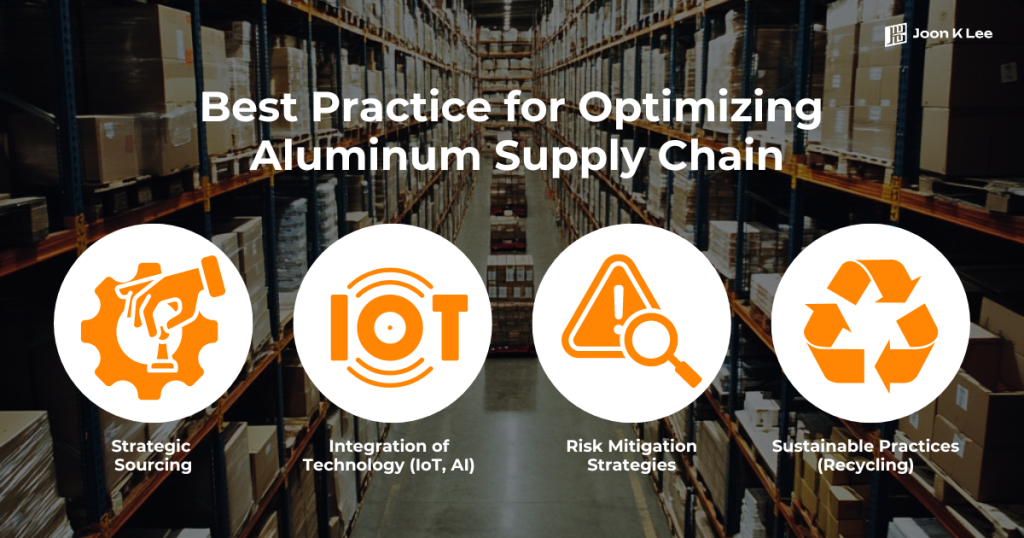
Top strategies for improving the management of the aluminum supply chain include sourcing techniques and technology integration while also focusing on sustainable practices to boost effectiveness in handling industry-specific hurdles and enhancing financial flow.
Strategic Sourcing
Strategic sourcing plays a role in supply chain management by finding and working with the best suppliers to improve procurement procedures and secure a steady supply of materials to enhance operations in the aluminum sector while cutting costs and boosting efficiency.
Understanding the importance of sourcing can prompt businesses to implement various essential strategies that improve their overall supply chain effectiveness ‐ especially in industries heavily dependent on aluminum. First, establishing strong partnerships is essential; this involves:
- Regular communication: Open channels encourage transparency and address issues proactively, facilitating collaborative planning.
- Mutual trust: Building trust gives the power to suppliers to innovate and invest in improvements.
- Performance assessments: Regular evaluations ensure that suppliers meet quality and delivery standards.
Enhancing procurement processes through technology integration and supplier diversity can lead to greater resilience and adaptability in fluctuating markets. When organizations prioritize these strategies within their sourcing framework, they secure reliable sources of aluminum and create a competitive edge that can lead to sustainable growth.
Integration of Technology (IoT, AI)
Incorporating technology like IoT and AI into the aluminum supply chain has the potential to boost efficiency and streamline operations while also improving decision-making through data-driven insights.
Through the use of up-to-date information and advanced analytics tools, businesses can closely track their production operations to spot any slowdowns in advance and make quick adjustments as needed.
This enhancement helps minimize waste and improves resource management, leading to cost savings in the long run! For instance, enabled sensors can monitor inventory levels and automatically reorder supplies when they run low to keep production running smoothly without interruptions. Additionally, AI algorithms can study data to predict demand patterns, making it simpler to adjust production timelines accordingly.
Implementing maintenance tools can greatly reduce downtime by notifying management when equipment needs maintenance work. Digital twins have the ability to mimic operations and offer insights on possible enhancements. When these technologies are used together, not only does it promote operational efficiency, but also elevates the competitive edge.
Risk Mitigation Strategies
Ensuring supply chain visibility and resilience relies on implementing risk reduction tactics like utilizing dual sourcing and thorough contingency planning measures.
In the interconnected marketplace of today’s world, aluminum suppliers encounter a range of uncertainties that highlight the importance of risk management as crucial and vital. By embracing a strategy of sourcing, companies can reduce reliance on a sole supplier, thus safeguarding against any disruptions in one location that could impede overall business operations. Thorough contingency preparation empowers organizations to ready themselves for disturbances, thereby minimizing downtime and mitigating financial losses effectively.
- Supply Chain Visibility: It is crucial to monitor and trace materials in real-time to respond quickly to changes. Utilizing CDP Solutions can further enhance visibility in global supply chains.
- Enhanced Resilience: By diversifying sources and planning for potential disruptions, companies can navigate uncertainties more smoothly.
Ultimately, these strategies contribute decisively to a more robust and agile supply chain, allowing organizations to thrive amidst challenges, especially market volatility.
Sustainable Practices (Recycling)
In the metals industry, it’s important to implement eco measures, like recycling in the aluminum supply chain, to tackle environmental issues and support responsible resource handling.
Implementing recycling programs not only helps reduce the environmental impact but also improves financial performance for businesses. By introducing recycling efforts in operations companies can lower energy use significantly since recycling aluminum consumes up to 95% energy compared to making it from scratch. This decrease results in reduced greenhouse gas emissions. Supports worldwide endeavors to combat climate change.
Benefits of Recycling Aluminum:
- Conserves natural resources
- Promotes sustainability
- Encourages community engagement and awareness
To enhance efficiency during the execution processes of the aluminum supply chain sector’s operations, results may arise through active collaboration among stakeholders to develop improved recycling initiatives and promote increased awareness while allocating resources towards cutting-edge technologies aimed at minimizing waste production. This comprehensive strategy nurtures an environment that prioritizes sustainability practices and ultimately contributes to financial gains over time.
Data-Driven Decision-Making in Aluminum Supply Chain Management
Data-informed decision-making plays a role in managing the aluminum supply chain effectively by boosting efficiency and enhancing demand prediction and operational results using predictive analytics and important metrics with insights from operations managers and procurement experts in the industry.
Utilizing data to make decisions is a game changer in managing the aluminum supply chain industry as it leads to increased effectiveness, in operations and better forecasting of demand by utilizing analytics and important performance measures.
How Can Data Analytics Improve Efficiency in the Supply Chain?

Utilizing data analytics can greatly enhance effectiveness within the supply chain by empowering intelligent prediction models for inventory management and refining the accuracy of demand forecasting abilities, which are essential for staying ahead in a competitive market.
Through the use of algorithms and machine learning methods businesses can effectively examine past data patterns and anticipate future needs. This practice not only assists in coordinating production timelines but also reduces surplus inventory levels.
Tools such as analytics solutions and real-time dashboards provide valuable insights by visualizing data flows to help organizations pinpoint bottlenecks and improve operational efficiency. Incorporating techniques can lead to seamless resource allocation, ultimately driving improvements in operational performance across the entire aluminum supply chain, such as:
- Statistical forecasting
- Inventory optimization strategies
- Demand sensing technologies
What are the Key Metrics to Track in Aluminum Supply Chain Management?
Monitoring performance indicators in the aluminum supply chain is crucial for assessing performance and improving operational effectiveness; this involves overseeing inventory control efficiency levels and order completion rates along with optimizing logistical processes.
In the current competitive environment, businesses need to grasp the intricacies of their supply chains in order to make the most of these measurements efficiently and effectively. Key signs like delivery rates play a crucial role in customer happiness and can also signal flaws in the overall system. Monitoring aspects like:
- Lead time – crucial for planning and reducing delays.
- Cost per unit – helps identify opportunities for cost reductions.
- Supplier reliability – essential for maintaining consistent production flows and establishing long-term relationships.
Each of these metrics plays a pivotal role in enhancing overall operational efficiency. This ensures that manufacturers adapt quickly to market demands while optimizing their resource usage and reducing stockouts.
How Can Predictive Analytics Help in Supply Chain Planning and Management?
Utilizing analytics is essential in the realm of supply chain planning and management as it offers valuable insights to boost the precision of demand forecasting and optimize inventory levels, for enhanced operational efficiency—a vital tool for organizations to adeptly maneuver through market fluctuations.
In the aluminum industry sector, using this technology helps businesses make decisions based on data analysis insights efficiently.It involves studying consumption trends and market changes to forecast demand fluctuations and manage production schedules effectively.This proactive strategy reduces surplus stock expenses. Lowers the chances of running out of stock prematurely.
Integrating predictive models into inventory management systems leads to enhanced supplier relationships and:
- Improved inventory turnover rates
- Increased alignment between supply and demand
- Enhanced supplier relationships due to reliable forecasting
Leveraging these advanced analytics capabilities fosters a more agile aluminum supply chain that is better equipped to respond to market changes and customer needs.
Building Resilient Aluminum Supply Chains

Establishing robust aluminum supply chains is crucial for companies to successfully adapt to market changes and disturbances by implementing tactics that improve adaptability and agility in purchasing and distribution operations.
What are the Key Strategies for Building Resilience in the Supply Chain?
Key tactics to strengthen resilience in the supply chain involve boosting adaptability and responsiveness to risks while cultivating partnerships with suppliers to maintain business operations amid potential disruptions.
To effectively put these strategies into action and tackle obstacles efficiently, Organizations may consider different methods to navigate unanticipated challenges Enhancing adaptability may consist of broadening suppliers and integrating alternate procurement techniques This allows businesses to quickly adjust to shifts in demand or supply limitations Establishing a strong risk management strategy is crucial this should involve consistent evaluations of weaknesses and setting up backups.
- Training employees on crisis response can also fortify operational stability.
- Utilizing data analytics helps in predicting potential disruptions.
- Maintaining open lines of communication with suppliers cultivates trust and a collaborative spirit.
By adopting these comprehensive strategies, organizations can survive disruptions and thrive in a competitive market, enhancing their overall operational capability.
How Can Companies Adapt to Changing Market Conditions and Disruptions?
Businesses can adjust to evolving market circumstances and interruptions by adopting supply chain management methods, enhancing purchasing procedures, and utilizing up-to-date data to make well-informed choices.
In this situation the importance of agility cannot be emphasized enough since it enables companies to quickly adapt to unexpected obstacles and take advantage of fresh possibilities. When companies adopt flexible strategies, they can:
- Enhance responsiveness to customer demands, ensuring timely product availability.
- Mitigate risks associated with supply chain interruptions through diversified sourcing.
- Utilize advanced analytics to predict market trends better and adjust strategies accordingly.
By focusing on these best practices, businesses improve resilience and foster innovation within their procurement processes, better equipping them to navigate the complex landscape of modern business.

Frequently Asked Questions
Optimizing aluminum supply chain management is crucial for companies to improve efficiency, reduce costs, and build resilient supply chains. By strategically sourcing, leveraging technology integration, mitigating risks, and incorporating sustainable practices, companies can achieve these benefits and stay competitive.
Data-driven decision-making plays a critical role in optimizing aluminum supply chain management. By analyzing data from various sources, companies can gain valuable insights and make informed decisions to improve their supply chain processes, reduce wastage, and enhance overall performance.
The best practices for optimizing aluminum supply chain management include strategic sourcing, technology integration (IoT, AI), risk mitigation, and sustainable practices like recycling. By implementing these practices, companies can streamline their supply chain processes, reduce costs, and improve overall performance.
Technology integration, specifically IoT (Internet of Things) and AI (Artificial Intelligence), can greatly enhance aluminum supply chain management. Technology integration can improve efficiency, reduce costs, and mitigate risks by automating processes, providing real-time data and insights, and enabling predictive maintenance.
Risk mitigation is a crucial aspect of optimizing aluminum supply chain management. By identifying potential risks and implementing strategies to mitigate them, companies can avoid disruptions in their supply chain, maintain consistent quality, and ensure timely delivery of aluminum products.
Companies can incorporate sustainable practices like recycling in their aluminum supply chain management by implementing closed-loop recycling systems, using recycled aluminum in their products, and collaborating with suppliers who follow sustainable practices. This not only helps reduce environmental impact but also reduces costs and enhances brand reputation.

Written by Joon K Lee
Owner

Everything You Need To Know About Conversions
Conversion rates are one of the most important indicators you should look…

What are the Best SaaS Tools for Digital Marketers?
Software as a Service, or SaaS, is a cloud-computing software accessed through…