Where to Invest in Korea: Top Industries for Foreign Companies
March 2025 / Business Expansion & Market Entry in Korea
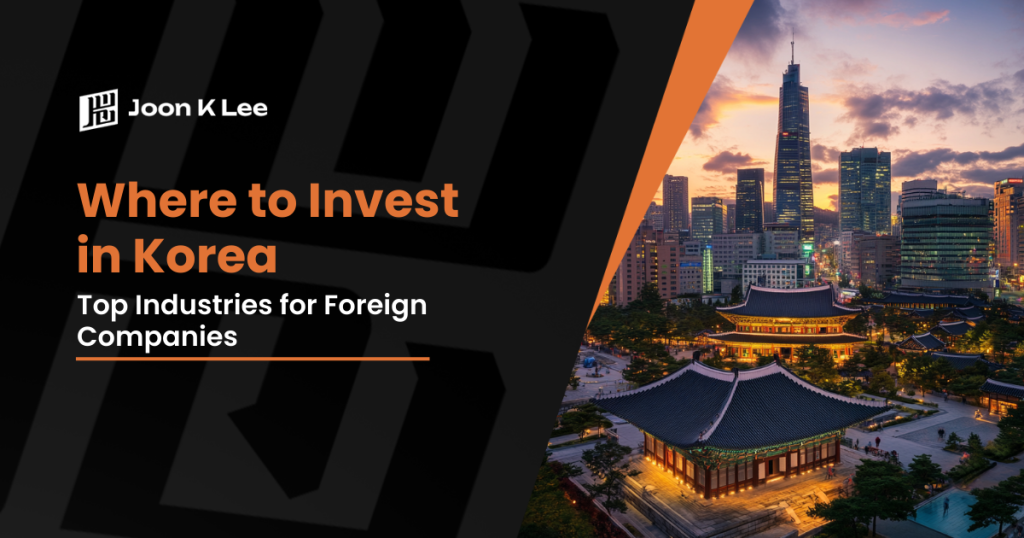
Table of Contents
South Korea isn’t just about K-pop, high-tech gadgets, and delicious street food. It’s a country that buzzes with energy, where skyscrapers meet ancient palaces, and innovation blends seamlessly with tradition. It’s a place where businesses dream big and investors find fertile ground for growth. If you’re looking for the next frontier for your business, South Korea isn’t just an option—it’s an invitation.
So, if you’re wondering where to tap into the growth, let’s explore the most promising foreign investment opportunities in South Korea and why this dynamic country could be your next big move.
Why Invest in South Korea?
Imagine investing in a country that thrives on progress, where the economy is as resilient as the people who drive it. South Korea ranks as the 10th largest economy in the world. It’s known for its stable political climate, cutting-edge infrastructure, and relentless drive for innovation. But it’s more than that. It’s about opportunity, potential, and being part of a forward-thinking business landscape.
South Korea is a nation of dreamers and doers. It’s a place where technological advancements and creative flair combine to build an economy that is dynamic and robust. Investing here means stepping into a market that’s not only about profit but about being part of a global shift towards innovation and sustainable growth.
Key Advantages of Investing in South Korea
| Advantage | Why It Matters |
| Strategic Location | South Korea sits at the heart of Asia, providing easy access to major markets like China and Japan. |
| Skilled Workforce | A highly educated population that embraces technology and innovation. |
| Government Incentives | Tax breaks, subsidies, and relaxed regulations designed to welcome foreign investors. |
| Advanced Infrastructure | World-class logistics, IT infrastructure, and transportation systems that streamline business operations. |
South Korea is not just about numbers and statistics—it’s about stories of success, ambition, and vision. It’s about joining a landscape that values courage and rewards innovation.
Understanding Foreign Investment Opportunities in South Korea
Foreign investment isn’t just welcome in South Korea—it’s encouraged. The government has been proactive in opening its doors to global investors, offering incentives that make the journey smoother and more rewarding. Whether it’s tax benefits, financial support, or easing business regulations, South Korea is laying out the red carpet for those ready to take a leap.
The Korean government has also established specialized economic zones, offering incentives like reduced corporate taxes, simplified regulatory processes, and financial grants for setting up new ventures. These zones are specifically designed to attract foreign investors looking for stability and growth in a welcoming environment.
Current Trends in Foreign Investment
- Sustainability on the Rise: Green energy is no longer an option—it’s a necessity, and Korea is leading the charge.
- Tech Innovation: AI, robotics, and semiconductor sectors are booming with foreign partnerships.
- Healthcare Growth: The pandemic reshaped the world, and Korea’s biotech industry is ready for global solutions.
These trends reflect not just economic priorities but global shifts. Korea is positioning itself as a future-ready hub, where foreign investors can contribute to industries that shape the global narrative.
Top Industries for Foreign Investment in South Korea
1. Technology and Innovation
Think of South Korea, and you think of innovation. Home to tech giants like Samsung and LG, this country doesn’t just follow trends—it sets them. It’s where ideas turn into reality, and where foreign investors can ride the wave of technological growth.
Innovation here isn’t just a buzzword; it’s a way of life. Startups flourish with support from accelerators, venture capital, and government initiatives that aim to build a globally competitive ecosystem. Whether it’s AI development, robotics manufacturing, or advancing semiconductor technologies, Korea is brimming with potential.
Opportunities Waiting to Be Seized:
- Semiconductor production that’s critical to the global tech ecosystem.
- AI-driven advancements shaping the future of industries.
- Robotics innovation that promises to redefine automation.
Government Support:
- Generous tax incentives for research and development projects.
- Funding programs encouraging innovative startups.
- Infrastructure in tech hubs designed for growth and collaboration.
2. Green Energy and Sustainability
The world is changing, and South Korea is determined to lead the green revolution. The “Korean New Deal” is more than a policy—it’s a movement. Aiming for carbon neutrality by 2050, it’s investing heavily in renewable energy and eco-friendly infrastructure.
Investing in green energy isn’t just about profits; it’s about legacy. Korea’s commitment to sustainability is reshaping how cities are built, how energy is consumed, and how transportation systems are designed. Foreign investors who join this mission are contributing to a future where innovation meets responsibility.
Why It’s the Right Time to Invest:
- Financial incentives for green projects that push innovation.
- A growing demand for hydrogen-powered vehicles and renewable energy solutions.
- Collaborative partnerships with local companies committed to sustainability.
3. Healthcare and Biotechnology
Imagine investing in the future of health. South Korea is not just advancing in biotech; it’s reshaping the global conversation. From cutting-edge medical devices to pioneering pharmaceutical research, Korea’s biotech sector is pulsing with energy.
Medical tourism is another sector growing at an impressive pace. South Korea is becoming a global destination for specialized treatments, cosmetic surgeries, and advanced healthcare services. Foreign investment in this sector isn’t just financially rewarding but also transformative in improving global health standards.
Opportunities for Visionary Investors:
- Partnering in biotech research that pushes boundaries.
- Investing in medical tourism that blends innovation with care.
- Developing next-generation pharmaceutical solutions.
4. Finance and Fintech
Korea is rewriting the rules of finance. With one of the most digitally advanced populations, it’s a hotspot for fintech innovation. From blockchain solutions to digital banking, the future of finance is already unfolding here.
Imagine creating payment platforms that are used by millions or blockchain technologies that reshape transactions. The potential is enormous, and the Korean market is ready to embrace global partnerships that can elevate its fintech ecosystem.
Where to Focus:
- Invest in digital payment platforms designed for the tech-savvy consumer.
- Explore blockchain ventures that could revolutionize transactions.
- Develop mobile-first banking services for Korea’s growing online market.
5. Entertainment and Cultural Content (K-Content)
The world can’t get enough of Korean culture. K-pop, K-dramas, and Korean cinema have become global phenomena. But it’s not just about entertainment—it’s about emotion, connection, and culture. For investors, it’s a chance to be part of something bigger.
The Korean wave, or “Hallyu,” isn’t slowing down. Foreign investors have the opportunity to co-create stories, influence media production, and join hands with creative forces that are shaping global entertainment.
6. E-commerce and Retail
South Korea isn’t just tech-savvy—it’s digitally driven. E-commerce isn’t just growing; it’s soaring. The demand for global brands and unique products is skyrocketing. Korean consumers are curious, engaged, and always looking for the next trend, creating a vibrant marketplace for foreign products.
Tips to Succeed:
- Engage with local influencers to build authentic brand stories.
- Optimize for mobile-first, as Korea leads in smartphone usage.
- Collaborate with local logistics providers to ensure smooth distribution.
Navigating Challenges and Regulations
Every opportunity comes with a challenge, but that’s where the thrill is. Here’s how to navigate the journey:
- Legal Framework: Don’t walk the road alone. Consult with local experts who know the landscape.
- Cultural Insights: Building trust means understanding the Korean way of doing business. Be open, be patient, and be ready to learn.
- Government Support: Tap into resources like KOTRA, which exists to guide and support foreign investors.
How to Get Started with Investing in South Korea
- Do the Homework: Deep-dive into market trends and local dynamics.
- Network Relentlessly: Relationships matter. Connect, collaborate, and cultivate trust.
- Engage the Experts: Work with consultants and agencies who know the terrain.
- Embrace Localization: Don’t just bring your brand—bring your heart. Adapt your approach to the local culture.
Seizing the Right Opportunities
South Korea’s economy is more than numbers and trends. It’s a place of stories, of dreams realized, and partnerships forged. Whether you’re thinking about tech, sustainability, or culture, the opportunity isn’t just waiting—it’s calling.
So, are you ready to be part of South Korea’s future? The best stories start with bold steps. Let yours begin here, in a country where innovation meets tradition and opportunity meets ambition.

FAQs
South Korea offers diverse foreign investment opportunities, particularly in sectors like advanced technology transfer, green energy, healthcare, and manufacturing. The country’s highly skilled workforce, strategic location, and government-backed tax incentives make it a prime destination for foreign companies seeking growth in Asia.
The Foreign Investment Promotion Act (FIPA) is designed to promote foreign investment by offering benefits such as tax incentives, cash grants, and support services. It also helps foreign investors navigate South Korea’s regulatory framework, ensuring smoother business operations for foreign enterprises.
South Korea offers a range of favorable tax incentives, including corporate tax reductions, acquisition tax exemptions, and property tax reductions for businesses operating in Free Economic Zones. Additionally, foreign companies engaged in strategic technologies can benefit from income tax reductions and industrial site support.
Foreign investors who encounter difficulties with South Korea’s intricate regulations can seek assistance from the Foreign Investment Ombudsman, a government body dedicated to resolving investment-related grievances. Additionally, consulting with local legal experts and utilizing resources like Invest Korea can help navigate complex regulatory requirements.
South Korea’s Free Economic Zones (FEZs) are designed to attract foreign investment by offering tax breaks, relaxed regulations, and advanced infrastructure. These zones provide a favorable environment for foreign companies, especially in sectors like manufacturing, financial services, and wholesale and retail trade.
While South Korea is open to foreign investment, certain sectors related to national security and critical supply chains may have restrictions on foreign ownership. The Foreign Exchange Transaction Act (FETA) and other regulatory frameworks ensure that foreign ownership persists in line with national interests.
The South Korean government actively promotes foreign investment in the manufacturing sector through cash grants, land purchase expense reductions, and industrial site support. By offering these incentives, the government aims to enhance advanced technology transfer and strengthen South Korea’s position in global supply chains.

Written by Joon K Lee
Owner

Everything You Need To Know About Conversions
Conversion rates are one of the most important indicators you should look…

What are the Best SaaS Tools for Digital Marketers?
Software as a Service, or SaaS, is a cloud-computing software accessed through…