Investment Opportunities in the Nonferrous Metals Market: What Investors Need to Know
September 2024 / Nonferrous Metal
Nonferrous metals like aluminum, copper, nickel, zinc, and lithium are crucial in industries such as aerospace construction and renewable energy Their demand is increasing globally due to technological advancements and sustainability efforts leading to investment potential This blog post offers a detailed examination of the factors impacting the nonferrous metals market upcoming trends and important points for investors interested, in this field.
Overview of the Nonferrous Metals Market
The nonferrous metals sector plays a role in the world economy as it consists of metals without substantial iron content, like aluminum and copper, among others, that are crucial for various industries due to their special characteristics, such as being lightweight and resistant to corrosion while providing high conductivity levels. This market is influenced by factors such as progressions and heightened demands in sectors like automotive and renewable energy, alongside economic growth.
Prominent companies in the nonferrous metals sector consist of mining corporations such as BHP and Rio Tinto, along with specialized firms that concentrate on particular metals of interest, like Vale Limited. The industry showcases the potential for significant growth driven by the rising popularity of electric vehicles (EVs), renewable energy setups, and sophisticated infrastructure initiatives. With an emphasis on sustainability and technological progress in place, continually evolving perspectives on the nonferrous metals market promise considerable growth prospects that present attractive investment opportunities for key industry players.
Understanding the Nonferrous Metals Market
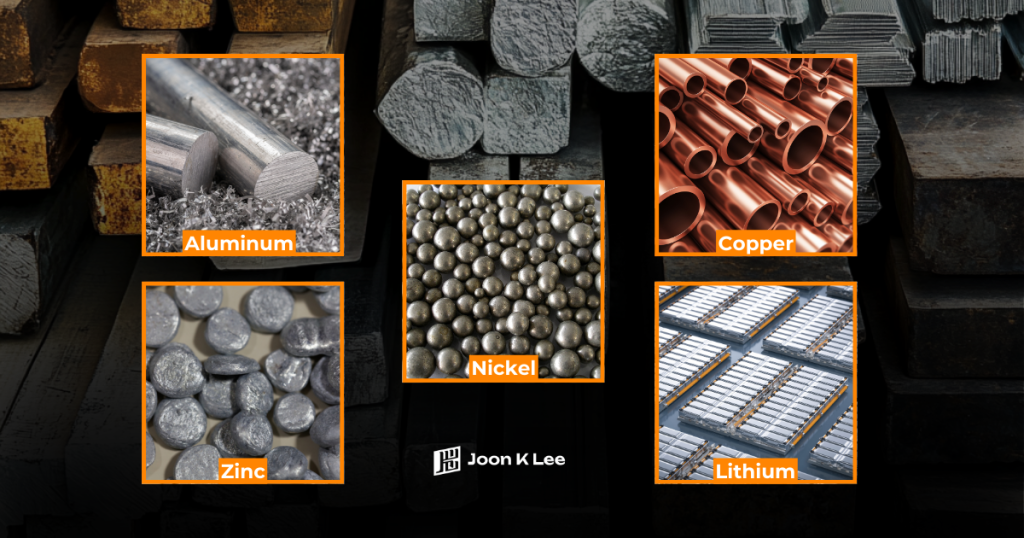
Metals that are not ferrous and do not have iron content are classified as metals since they do not easily rust or corrode due to their properties, like being lightweight and good conductors of electricity; this versatility makes them suitable for various uses. The nonferrous metals market encompasses several key metals, each with unique properties and uses:
Aluminum
Aluminum is popular for its nature and resistance to corrosion and is extensively utilized in the automotive sector as well as in aerospace and packaging industries due to the increasing need for lightweight vehicles and improved fuel efficiency.
Copper
Copper is widely known for its ability to conduct electricity and plays a vital role in electrical wiring and various electronic devices as well as in sustainable energy sources, like wind turbines and solar panels.
Nickel
Nickel is highly appreciated for its ability to withstand heat and resist corrosion; it finds application in the manufacturing of stainless steel products and batteries while also being a key component in producing superalloys essential for the aerospace sector.
Zinc
Mostly employed in the process of galvanizing steel to shield it from rust and decay, zinc also serves a purpose in creating die-casting alloys, battery production, and chemical manufacturing processes.
Lithium
Lithium has become increasingly sought after as an element in rechargeable batteries for electric vehicles (EV) and energy storage systems due to the global transition towards sustainable energy solutions.
Key Factors Driving Investment in Nonferrous Metals
Several factors are influencing the nonferrous metals market and creating potential investment opportunities:
Economic stability plays a role in shaping the demand for nonferrous metals since steady economic conditions usually result in higher industrial operations and consumer expenditures that boost the need for these metals.
Growing Demand from the Renewable Energy Sector

The increasing worldwide transition to energy sources is a key factor boosting the need for nonferrous metals such as copper and aluminum that play vital roles in making solar panels and electric vehicle batteries.
- Copper: Copper’s excellent electrical conductivity is crucial for the wiring used in energy setups like solar and wind power systems, and expanding grids are driving up the need for copper.
- Aluminum and Lithium: Aluminum is a material for creating wind turbine blades and electric vehicle bodies because of its unique properties, while lithium-ion batteries are crucial for storing energy in renewable energy systems relying heavily on lithium and nickel components.
Urbanization and Infrastructure Development
The expansion of areas and the enhancement of infrastructure in emerging areas like India and nations in Southeast Asia and Africa are driving the demand for metals such as aluminum, copper, and zinc for the advanced transportation systems and infrastructure of smart cities.
- Aluminum and Zinc: Aluminum is commonly utilized in constructing exteriors of buildings as well as in windows and doors because of its strength and ability to resist corrosion. Meanwhile, zinc is found in steel and is used in various infrastructure developments to ensure durability and shield against rust.
- Copper: The increasing need for infrastructure in cities necessitates significant quantities of copper for wiring systems and the construction of transformers and substations.
Technological Advancements and Innovation
Advancements in metal processing and manufacturing technology are improving the effectiveness and cost efficiency of producing metals than iron and steel. Making use of innovations such as AI-powered maintenance systems IoT, IoT-connected smart factories, and blockchain technology for supply chain visibility is assisting businesses in streamlining production methods, minimizing waste, and guaranteeing ethical sourcing practices. A business foresees that these technological progressions will greatly enhance production efficiency and fuel growth through investments and expansion strategies.
- AI and IoT: Utilizing intelligence and Internet of Things (IoT) technology in metal processing enables companies to lower expenses and boost efficiency levels, which can enhance their appeal to potential investors.
- Blockchain: Blockchain technology is being utilized to trace the source and path of metals to guarantee transparency and adherence to global regulations standards—an aspect for investors interested in sustainable and ethical investment opportunities.
Emerging Trends in the Nonferrous Metals Market
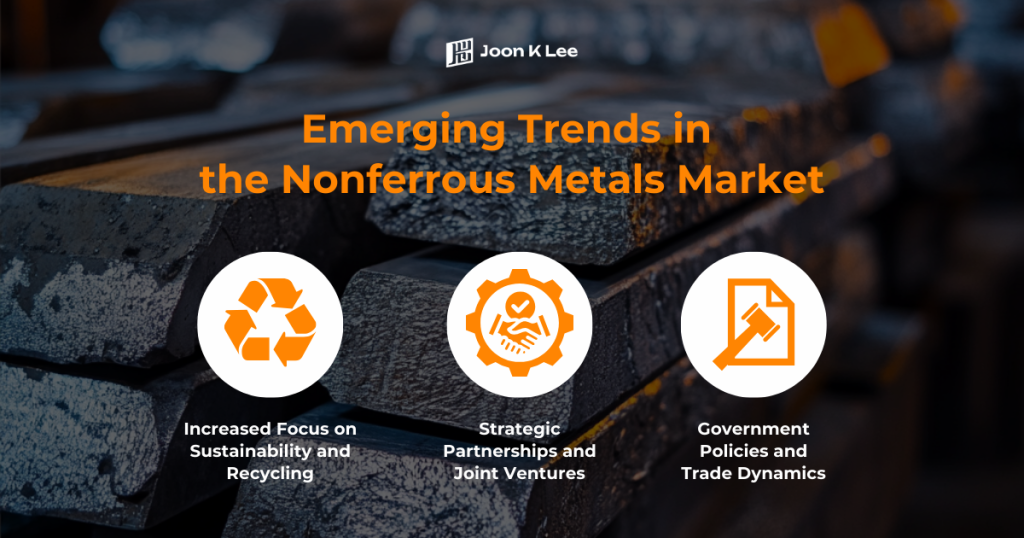
As global markets evolve, several emerging trends are shaping the future of the nonferrous metals market:
The industry’s growth potential is driven by rising metal prices and the energy-transition trend, which positions certain companies to benefit from strategic investments and operational efficiencies.
Increased Focus on Sustainability and Recycling
Businesses in these sectors are increasingly focusing on sustainability as a key concern. And the nonferrous metals industry is no different in this regard! When it comes to metals such as aluminum, copper and nickel. Recycling them is way more energy efficient than producing them from scratch; this makes it a pretty appealing choice, for cutting down on carbon footprints.
Recycled Aluminum and Copper: Companies are increasingly turning to recycled aluminum and copper to fulfill their sustainability goals and decrease dependence on raw materials as the industry continues to grow in this direction, according to the Aluminum Association’s latest report, which highlights that recycling aluminum can save as much, as 95 percent of the energy needed for initial manufacturing processes.
Strategic Partnerships and Joint Ventures
In order to guarantee a source of vital metals for production needs, corporations are establishing strategic alliances and collaborations with mining firms, tech companies, and battery producers. Such partnerships play a role in securing the necessary raw materials and fostering advancements in metal processing and recycling practices.
Nickel and Lithium Supply Chains: Tesla and other major car manufacturers such as BMW and Volkswagen are striking deals with mining companies to secure a supply of nickel and lithium due to the rising need for EV batteries.
Government Policies and Trade Dynamics
Changes in government regulations and international trade deals have an impact on the market for nonferrous metals such as copper and aluminum. A case in point is when tariffs are imposed, or exports are limited due to sanctions. This can lead to disruptions in the supply chain and cause fluctuations in prices.
- Tariffs on Aluminum and Steel: In 2018, the United States implemented tariffs on imported aluminum and steel, impacting trade patterns and causing fluctuations in prices. These shifts in trade can present both risks and potential gains for investors.
- Critical Minerals Strategies: Many nations are working to extract minerals to secure a steady source of vital metals for upcoming technologies, like electric vehicles and renewable energy sources. Their approaches could affect trading trends worldwide. Shape choices related to investments.
Investment Opportunities in Nonferrous and Precious Metals
Given the factors and trends shaping the nonferrous metals market, there are several investment opportunities to consider:
Mining and Exploration Companies
Investment in mining and exploration firms dealing with metals offers a direct way to tap into the sector’s potential growth for a company’s market expansion. Companies engaged in extracting copper, aluminum, nickel, and lithium stand to gain from the rising demand for these metals.
Diversified Miners
Companies such as BHP Billiton, Rio Tinto, and Vale engage in mining activities that involve the extraction of various nonferrous metals across the globe. Their ranging operations provide a sense of stability and risk mitigation.
Junior Exploration Companies
Smaller businesses that concentrate on discovering and developing metal deposits offer greater potential for risk and reward. Nevertheless, investments in mining companies call for a thoughtful evaluation of the risks associated with exploration, regulatory challenges, and financial requirements.
Metal Producers and Refiners
Investment in firms that refine and work with metals can provide access to lucrative sectors of the market that add value to the economy. These companies thrive on the increasing demand from sectors such as automotive manufacturing, construction projects, and electronics industries.
Smelting and Refining Companies: Alco and Glencore, known for their work in aluminum and copper/nickel, respectively, have smelting and refining operations that stand to gain from rising metal demand.
Exchange-Traded Funds (ETFs) and Mutual Funds
Investors looking to diversify their portfolio in the precious metal, especially the nonferrous metals sector, may consider exchange-traded funds (ETF) and funds that concentrate on metals and mining for a well-rounded investment strategy. These funds usually allocate their investments across mining companies and metal producers as well as associated industries.
Adding metal exchange-traded funds (ETFs) to a well-rounded investment portfolio can enhance its stability and robustness because gold and silver are renowned for their enduring value and ability to weather market changes and economic hardships.
Examples of Metal-Focused ETFs: Funds like the Global X Copper Miners ETF (COPX) and the iShares MSCI Global Metals & Mining Producers ETF (PICK) provide diversified exposure to the metals market without the need to pick individual stocks.
Benefits and Risks of Precious Metals Investing
Investors face factors to weigh when considering investments in precious metals like gold and silver due to the benefits and risks they present. During economic periods these metals are commonly viewed as a secure refuge acting as a shield against inflation and changes in currency value. Particularly the value of gold often increases amidst economic situations, making it a valuable asset for spreading out investment risks.
Investments in metals carry their own risks as well. Market instability can result in substantial price changes affected by various factors like global political happenings, fluctuations in interest rates, and alterations in the balance of supply and demand. Moreover, while precious metals offer a safeguard against recessions, they do not yield earnings similar to dividends or interest, which may be seen as a disadvantage by certain investors.
It’s important to grasp the equilibrium between the advantages and drawbacks of putting money into precious metals to make wise investment choices confidently. You can enhance your ability to maneuver through the intricacies of the precious metals market and take advantage of its opportunities by keeping up to date on market patterns and economic influences.
Valuation and Performance Metrics
Making informed decisions about investing in the nonferrous metals market requires a grasp of important valuation and performance indicators. Investors need to take into account elements like the costs and prices of metals and the financial well-being of companies engaged in the extraction, purification, and manufacturing of nonferrous metals.
An essential factor to consider is the all-in-sustaining cost (AISC), which gives an overview of the overall production expenses inclusive of sustaining capital investments involved in mining operations. This metric aids investors in evaluating the profitability and effectiveness of mining activities. In addition to this, maintaining vigilance over gold prices and silver prices is crucial for grasping market patterns and possible profits.
Additional factors to consider are the amount of goods produced and stored reserves as indicators of performance evaluation for a company’s ability to handle challenges and environmental compliance requirements effectively. This analysis provides investors with insights into not only the company’s performance but also the overall market trends to facilitate better decision-making in investment opportunities.
Key Considerations for Investors
When looking into investments in the nonferrous metals sector, there are a few important factors to consider. It’s essential to grasp the volatility of the market as metal prices can fluctuate based on supply and demand, geopolitical happenings, and overall economic trends. Being aware of these elements can assist investors in predicting market shifts and adapting their approaches as needed.
Considering the importance of environmental factors is crucial as they play a significant role in mining and refining operations. Companies in this sector need to adhere to environmental regulations and obtain necessary permits that can influence their business performance and financial success. It is advisable for investors to assess how effectively a company complies with regulations and its dedication to implementing sustainable methods.
The progress of technology is crucial for the development of industries, and their potential for growth in the term relies heavily upon it. Businesses that embrace technologies and eco-friendly methods are more likely to succeed and remain competitive over time. Investors should consider companies that make use of intelligence (AI), the Internet of Things (IoT), and blockchain to enhance their production methods and maintain ethical sourcing practices.
Considering all these aspects thoughtfully enables investors to maneuver through the intricacies of the nonferrous metals market and make informed investment choices that match their financial objectives and risk comfort levels.
Next Steps to Start Investing in Nonferrous Metals
If you’re planning to dive into investing in metals and want to do it right from the start. A strategic approach is key! Start by delving into market research and getting familiar with the major players in the industry scene. It’s crucial to grasp the ins and outs of metals like aluminum, copper, nickel, and lithium, so you can make well-thought-out investment advice.
Consider selecting the investment options that match your investment objectives and risk preferences, such as investing directly in mining and exploration firms or metal producers and refiners. Alternatively, you may opt for exposure by choosing ETFs and mutual funds concentrating on the metals and mining sectors.
Creating an investment portfolio is essential for minimizing risks effectively by diversifying your investments in various metals and companies to reduce possible losses. Stay updated on market trends, progressions, and economic factors affecting the nonferrous metals sector.
By adhering to these guidelines and consulting with experts, for investment guidance as necessary, you can effectively maneuver through the nonferrous metals industry. Take advantage of its promising development opportunities.
Key Considerations and Investment Risks for Investors
While the nonferrous metals market presents several opportunities, investors should carefully consider the following factors:
- Market Volatility: Metal prices can be highly volatile, influenced by supply-demand dynamics, geopolitical events, and macroeconomic conditions.
- Regulatory and Environmental Risks: Mining and refining activities are subject to stringent environmental regulations and permitting processes that can impact operations and profitability.
- Technological Advancements: Companies that adopt innovative technologies and sustainable practices are better positioned for long-term growth and competitiveness.
Navigating Investment Opportunities in Nonferrous Metals
The market for ferrous metals provides a variety of investment prospects influenced by increasing demand and advancements in technology as well as sustainability trends. Consider investing wisely requires a thorough assessment of market conditions, company fundamentals, and risk factors. It’s essential for investors to stay updated and take a strategic approach to make the most of the changing dynamics in the nonferrous metals market reach.


Written by Joon K Lee
Owner

Everything You Need To Know About Conversions
Conversion rates are one of the most important indicators you should look…

What are the Best SaaS Tools for Digital Marketers?
Software as a Service, or SaaS, is a cloud-computing software accessed through…