How to Verify a Korean Manufacturer Before Doing Business
March 2025 / Sourcing & Supply Chain in Korea
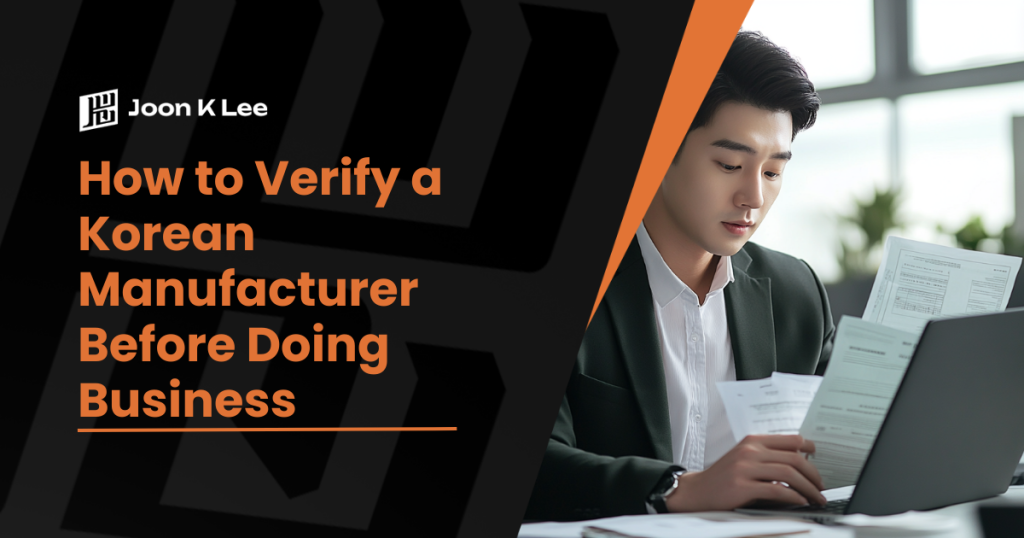
Table of Contents
When Excitement Meets Reality: My Supplier Surprise Story
So picture this: It’s late evening, I’ve got my third cup of coffee in hand, and I’m buzzing with excitement. After weeks of searching, I finally found the one—a Korean supplier that seemed too good to be true. Amazing products, killer prices, and the friendliest sales rep I’d ever chatted with. It felt like striking gold.
But, as they say, if it sounds too good to be true, it probably is.
Just days after wiring the initial payment, things started to feel a bit…off. Emails took longer to get responses, calls mysteriously went unanswered, and excuses piled up faster than empty coffee cups on my desk. Fast forward a few stressful weeks, and I discovered that the “factory” I’d seen photos of didn’t even belong to them. Talk about a rookie mistake!
I learned a crucial lesson the hard way: excitement is great, but blind trust in business? Definitely not.
Have you ever found yourself excitedly jumping into business, only to later ask yourself, “Wait, how much do I really know about these people?”
If you’ve ever considered sourcing from Korea—or maybe you’re already in the thick of it—then it’s absolutely critical to understand how to properly verify a Korean manufacturer. Korea is a powerhouse when it comes to high-quality products, whether it’s skincare, electronics, fashion, or automotive parts. However, navigating through supplier verification can feel overwhelming if you’re not familiar with local practices. Trust me, I’ve been there!
In this guide, I’ll share exactly how you can dodge the pitfalls and confidently verify Korean suppliers, ensuring your excitement is backed by solid research and peace of mind.
Why Supplier Verification Matters More Than Ever
Let’s face it—globalization has made sourcing internationally easier than ever, but it’s also opened doors wider for scams and shady practices. South Korea, riding high on the global wave of K-pop, K-beauty, and tech innovation, has become a hot spot for international buyers. Everyone wants a piece of that famous Korean quality.
But with booming popularity comes risk. According to a recent trade report in early 2025, a staggering 42% of international businesses experienced supplier-related issues—ranging from late deliveries and poor quality to outright scams—within the past year alone. Yikes, right?
The reality is you simply can’t afford to skip proper verification, especially if you’re planning a long-term, profitable relationship with your Korean supplier. And that verification process is about more than just checking a few boxes; it’s about understanding cultural nuances, knowing what documentation to ask for, and learning to spot red flags before it’s too late.
Understanding the Korean Supplier Verification Process
Okay, so we’ve established the importance of supplier verification—now let’s dive into the details. Think of supplier verification as doing your homework on your new business partner. Just like you’d never marry someone without dating first (well, at least I hope not!), you shouldn’t jump into a business partnership without getting to know your supplier inside and out.
When it comes to Korean suppliers, verification involves a blend of formal checks and cultural understanding. The official stuff—like checking their business documents—is straightforward enough, but recognizing subtle cultural cues takes a bit more finesse.
Steps to Follow for Effective Verification
1. Check the Business Registration Certificate (사업자등록증)
First things first, ask your Korean supplier for their Business Registration Certificate. Every legitimate business in South Korea has one, and it’s basically their official identity card.
But how can you tell if it’s legit? Here’s my tip:
- Get a copy of their certificate.
- Cross-check it on the Korean government’s official site, like the National Tax Service website. (Don’t worry, you can use Google Translate to make sense of it!)
- Verify that the company name, registration number, address, and contact details match perfectly.
Trust me, a little effort here goes a long way. I’ve heard horror stories of businesses that skipped this step and ended up working with completely fake entities. Save yourself the headache!
2. Factory Visit and Inspection
Visiting your supplier’s factory in person might sound daunting or expensive, especially if you’re located halfway across the globe. But here’s the good news: you don’t necessarily need to hop on the next flight to Seoul (though Korean barbecue might make the trip worthwhile!).
These days, virtual factory visits are a lifesaver. Set up a live video tour where your potential partner walks you through their manufacturing process. You’ll get to see their facilities, equipment, and safety standards and even meet key personnel. This is an amazing way to get a feel for the operation without even leaving your office chair.
I still remember my first virtual factory tour vividly: the production lines buzzing, employees carefully handling products, and the friendly operations manager walking me through everything in real-time. It was like being there in person, minus the jet lag.
A quick tip from experience: Prepare your questions in advance. Ask about production capacity, quality control processes, and employee conditions. Observing their openness to your questions can also help you gauge their transparency and willingness to build a genuine partnership.
Red Flags to Watch Out For
By now, you’re probably thinking, “This verification stuff seems pretty straightforward. What could possibly go wrong?” (Famous last words, my friend!)
Let’s talk about some major red flags that should have you running—or at least carefully reconsidering your options:
1. Unwillingness to Provide Documentation
If a supplier hesitates or outright refuses to share basic documents like their business registration or certifications, your alarm bells should be ringing. Legitimate Korean suppliers understand the importance of transparency and won’t shy away from proving their legitimacy.
2. Prices Too Good to Be True
I get it—everyone loves a great deal. But if your potential supplier is offering prices drastically lower than their competitors, take a pause. There’s probably a catch. I’ve seen cases where absurdly low prices were bait, and once the buyer was hooked, the hidden costs began piling up.
3. Poor Communication or Responsiveness
If they’re already slow to respond during your initial interactions, imagine how challenging it could be once real issues arise after payments are made. Good communication is critical in international business relationships, especially when language and culture can sometimes be barriers. Trust your gut here—if something feels off, it probably is.
I once worked with a supplier who took days to respond to simple emails. Turns out their operation was completely understaffed and overwhelmed, causing endless delays. It’s not exactly a recipe for a healthy partnership, right?
By paying attention to these red flags early, you’ll save yourself tons of headaches, lost sleep, and, importantly, money.
Leverage Local Expertise to Simplify the Process
Alright, let’s get real for a second: Doing all this verification on your own can be a bit overwhelming, especially if you’re unfamiliar with Korean culture or language. Sure, Google Translate helps, but we’ve all seen that hilarious (yet painful!) translation fails, right?
This is where partnering with local experts really pays off. Think of it like having a knowledgeable friend in Korea who knows exactly where to look, what questions to ask, and how to navigate the local business culture.
Organizations like the Korea Trade-Investment Promotion Agency (KOTRA) are gold mines for international businesses. They can connect you with trusted suppliers, verify credentials, and even provide you with insights into market trends. I’ve personally seen businesses turn chaotic supplier searches into smooth sailing simply by involving a local expert.
You could also consider hiring specialized agencies or consultants who focus specifically on supplier verification. Yes, it’s an added upfront cost, but it’s peanuts compared to the potential losses you could face if things go south. A trusted local consultant can bridge the gap between cultures, ensuring clear communication and protecting your investment.
Remember: Paying a bit extra upfront to tap into local expertise can save you far more down the line—not just money but stress and lost sleep as well!
Real-Life Case Study: Supplier Verification Success Story
Now, I want to share a quick story of success to inspire you (because we all need that bit of reassurance, right?). Let’s talk about Chris, an entrepreneur friend of mine who runs a successful skincare line.
Chris fell in love with Korean beauty products (who hasn’t?) and decided it was time to bring authentic K-beauty to his customers back home. But Chris, having heard my disaster story earlier, was understandably cautious.
He teamed up with a verification agency based in Seoul, which walked him through the entire supplier verification process step-by-step. They verified registration documents, performed a thorough credit check, confirmed product certifications, and even arranged a virtual factory tour. Everything checked out perfectly.
The result? Chris not only found a legitimate supplier, but he also built a lasting partnership based on trust and transparency. Today, his K-beauty products are thriving, customers rave about their quality, and he sleeps soundly, knowing his supply chain is secure.
Chris’s story isn’t unique; it’s just smart business. By thoroughly verifying your Korean supplier from the get-go, you set yourself up for long-term success and peace of mind.
Quick Reference: Korean Supplier Verification Checklist
At this point, your head might be spinning a little. I get it—supplier verification involves plenty of moving parts, and it’s easy to feel overwhelmed. To help simplify things, here’s a handy checklist you can save, print out, or pin to your wall (whatever works best for you!):
| Step | Action Required | Quick Tips |
| 1 | Request Business Registration Certificate | Cross-check details on Korean gov’t website |
| 2 | Factory Inspection | Opt for virtual tours if travel isn’t possible |
| 3 | Certification Verification | Reach out directly to certification authorities |
| 4 | Financial & Credit Check | Use trusted Korean services like NICE or KISLINE |
| 5 | Consult Local Experts | Connect with KOTRA or local verification agencies |
Seriously, keep this close. This checklist alone could be the difference between an amazing business partnership and, well, a disaster. (Ask me how I know!)
Trust, but Verify
Alright, friends, we’ve covered a lot of ground here. If there’s one thing I hope you take away, it’s this: verifying your Korean supplier isn’t about being overly suspicious—it’s about protecting your business, your customers, and ultimately, yourself.
Korea offers fantastic opportunities. There’s a reason Korean products are loved worldwide—quality, innovation, and attention to detail are baked into their culture. But like anywhere else, a little due diligence goes a long way.
So here’s my friendly challenge to you: don’t cut corners. Take the time to verify your suppliers, follow the steps we’ve outlined, and trust your instincts. Good business relationships are built on transparency, mutual respect, and yes, a healthy amount of skepticism.
Have you had any supplier verification adventures—good or bad? I’d absolutely love to hear your experiences and swap stories. Drop a comment below or reach out on social media!
And if you’re hungry for more insider tips and practical advice about doing business in Korea, don’t forget to explore more at Joon K Lee’s website—it’s your ultimate guide to navigating Korean business culture like a pro.
Here’s to smart choices and successful partnerships!
FAQs
Verifying a Korean supplier protects you from scams, ensures product quality, and helps build a trustworthy, long-term business relationship.
You can cross-check their Business Registration Certificate (사업자등록증) on official Korean government websites such as the National Tax Service.
Absolutely! Virtual factory tours through video calls are common and provide real-time insights into the supplier’s operations and manufacturing standards.
Trusted Korean credit check services include NICE Information Service and KISLINE, providing insights into the supplier’s financial stability and creditworthiness.
While not mandatory, hiring a local consultant or verification agency significantly simplifies the process, helps overcome language barriers, and ensures accuracy.

Written by Joon K Lee
Owner

Everything You Need To Know About Conversions
Conversion rates are one of the most important indicators you should look…
What are the Best SaaS Tools for Digital Marketers?
Software as a Service, or SaaS, is a cloud-computing software accessed through…