Sustainable Practices in Metals: The Importance of Recycling and Low-Carbon Solutions
September 2024 / Nonferrous Metal

The industry of metals. Which includes materials like aluminum, copper, nickel, and zinc. Plays a crucial role in supporting economies by powering diverse sectors such as electronics, transportation, and renewable energy sources. Nevertheless, the extraction, processing, and purification of these metals can lead to environmental impacts such as higher energy consumption and greenhouse gas emissions In response to global efforts towards sustainability, the nonferrous metals sector is adopting environmentally friendly practices to reduce its environmental impact and carbon footprint In this article we explore the importance of recycling and embracing eco solutions in the nonferrous metals industry—discussing the benefits these approaches offer and the challenges companies face when implementing them.
Introduction to Sustainable Metal Production

Producing metal sustainably involves a strategy to limit the environmental effects of extracting and refining metals while focusing on energy efficiency and resource conservation in the nonferrous metals sector sustainability is crucial for long-term success rather than just a trendy term by adopting sustainable methods. Businesses can decrease their environmental impact and improve their standing in a market that values eco-friendly practices more and more each day.
Sustainable metal production involves strategies like recycling nonferrous metals to lessen the reliance on energy-intensive primary production processes significantly. Another vital aspect is implementing low-carbon metal production methods by leveraging energy sources and energy-efficient technologies, which are essential in decreasing the carbon footprint of metal manufacturing and supporting worldwide initiatives to address climate change concerns.
In addition to that, producing metal requires careful sourcing and managing supply chains responsibly. This involves making sure that raw materials are acquired through mining methods and that the entire supply chain functions in an eco-friendly manner. By prioritizing sustainability, the nonferrous metals sector can promote an economy that allows for the reuse of resources and reduced waste generation, resulting in a better future for our planet.
Understanding Sustainability in Nonferrous Metals
In the ferrous metals industry sector, sustainability involves minimizing the social impacts of metal manufacturing and promoting practices that foster a circular economy. Secondary raw materials play a role in recycling and the circular economy by aiding in emission reduction and energy conservation. Key sustainable practices include:
- Recycling: Transforming scrap metal into items to lessen the demand, for making new metal products from scratch.
- Low-Carbon Production: By harnessin’ renewable energy sources and usin’ energy efficient technologies along with approaches to cut down on carbon emissions in the extraction and processin’ of metals.
- Responsible Sourcing and Supply Chain Management: Ensuring ethical mining practices, minimizing waste, and optimizing logistics to reduce the overall environmental footprint.
The Importance of Recycling Nonferrous Metals

One of the ways to support sustainability in the nonferrous metals sector is through recycling instead of producing new metals from scratch through mining and refining processes like primary metal production does. Using aluminum scrap metals in recycling processes rather than raw materials and consuming much less energy in the process compared to primary production methods helps to reduce energy consumption and emissions significantly. Recycling aluminum is particularly important in this context since it leads to reductions in both energy use and emissions when compared to producing aluminum from scratch.
Energy Efficiency and Reduced Carbon Emissions
Recycling nonferrous metals like aluminum, copper, and nickel is far more energy-efficient than producing these metals from raw ores. For example:
- Aluminum Recycling: Recycling aluminum saves up to 95% of the energy required for primary production from bauxite ore. This substantial energy saving translates into a reduction in greenhouse gas (GHG) emissions, making aluminum recycling one of the most sustainable practices in the industry.
- Copper Recycling: Recycling copper saves about 85% of the energy needed for primary production. The reduced energy demand lowers carbon emissions, helping companies meet sustainability targets and reduce their environmental impact.
Resource Conservation and Waste Reduction
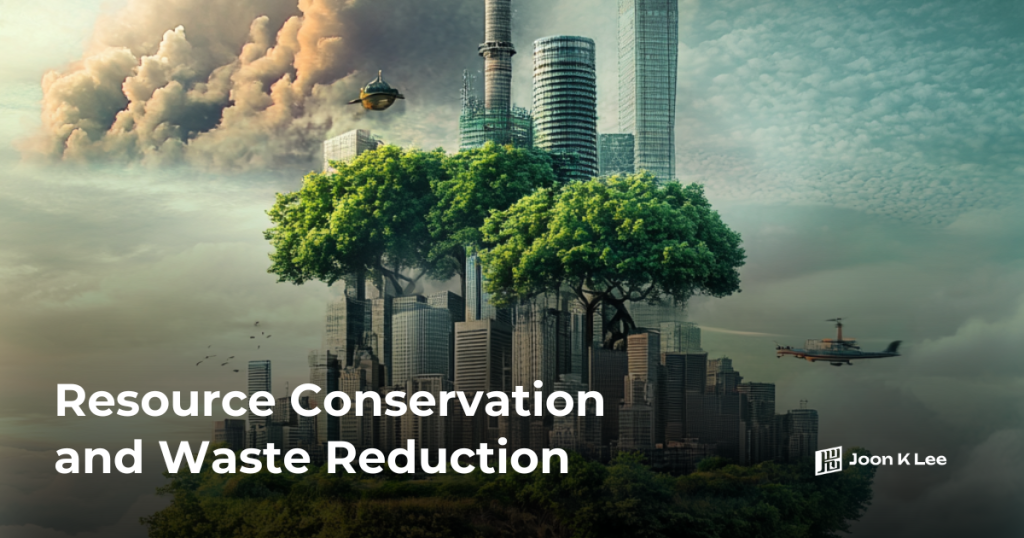
Recycling helps protect our resources by cutting down the demand for extracting raw materials from the earth’s limited supply of nonferrous metal ores; this not only elongates their usefulness but also lessens the harmful effects of mining, like deforestation and water pollution.
- Nickel Recycling: Recycling nickel not only conserves natural resources but also reduces the demand for nickel mining, which often involves environmentally damaging practices such as strip mining.
- Zinc Recycling: Recycling zinc from scrap materials helps preserve zinc ores and prevents the depletion of natural resources. Moreover, recycling minimizes the amount of metal waste ending up in landfills, reducing soil and water contamination.
Economic Benefits of Metal Recycling
Recycling metals that are not magnetic can bring benefits to businesses and local communities alike. By cutting down on energy expenses and lowering costs related to waste management and environmental cleanup efforts, companies can boost their profits while also supporting growth.
- Creating a Circular Economy: The reuse of ferrous metals contributes to a circular economy by promoting resource sustainability and minimizing waste generation costs while also aligning with global sustainability objectives.
Low-Carbon Solutions in Nonferrous Metal Production
While recycling is a critical component of sustainable metal production, companies are also adopting low-carbon solutions to reduce emissions throughout the metal production process. These solutions include:
Utilizing Renewable Energy Sources
Switching to using energy sources like hydropower and solar power can greatly reduce carbon emissions in metal production by swapping out fossil fuels for cleaner alternatives.
- Hydropower in Aluminum Production: The aluminum sector widely embraces hydropower for energy sources, with an example being Norsk Hydro—a leading player in global aluminum manufacturing—which relies on hydropower for more than 70 percent of its energy requirements to slash carbon emissions considerably vis à vis plants running on coal or gas power.
- Solar and Wind Power for Smelting Operations: Some metal producers are investing in solar and wind power to supply energy for smelting and refining operations, further decreasing their reliance on carbon-intensive energy sources.
Adopting Energy-Efficient Technologies
Advanced energy-efficient technologies can help metal producers minimize energy consumption and reduce emissions. These technologies include:
- Inert Anode Technology: Traditional aluminum smelting involves carbon anodes that release CO₂ during production. Inert anode technology, which uses non-carbon anodes, eliminates these CO₂ emissions, offering a low-carbon alternative for aluminum smelting. Companies like Alcoa and Rio Tinto are pioneering this technology through their ELYSIS initiative, aiming for carbon-free aluminum production by 2024.
- Electric Arc Furnaces (EAFs): EAFs are energy-efficient alternatives to traditional blast furnaces used in steel and nonferrous metal production. EAFs use electricity to melt scrap metal and are increasingly being powered by renewable energy, reducing the carbon footprint of metal production.
Carbon Capture, Utilization, and Storage (CCUS)
Carbon capture, utilization, and storage (CCUS) is an emerging technology that captures carbon dioxide emissions from industrial processes and either reuses them or stores them underground to prevent them from entering the atmosphere.
- CCUS in Nickel and Copper Production: Some nickel and copper producers are exploring the use of CCUS technology to capture and sequester CO₂ emissions generated during smelting and refining processes. This technology helps reduce the overall carbon intensity of metal production and supports the industry’s commitment to achieving net-zero emissions.
Waste Management and Energy Recovery
Sustainable practices in the nonferrous metals industry rely heavily upon waste management and the recovery of energy resources as key elements for success. Effective waste management ensures that metal production processes create waste and handle any generated waste in an environmentally friendly manner. This practice not only lessens environmental harm but also plays a vital role in preserving precious resources.
In waste management practices, is the retrieval of scrap metal considered essential for environmental conservation efforts and resource efficiency in industries? The process involves collecting and repurposing scrap metal to minimize reliance on materials and decrease energy usage significantly. A notable example is how recycled aluminum conserves up to 95% of the energy needed for its initial production cycle.
Using energy recovery methods like arc furnaces (EAF) boosts sustainability efforts even more efficiently since EAFs are built to melt scrap metal with electricity sourced from renewable sources rather than traditional blast furnaces, which emit more carbon dioxide into the environment. The adoption of EAF not only enhances energy efficiency but also plays a crucial role in reducing carbon emissions in the steel industry and the wider nonferrous metals sector, leading to a decrease in their carbon footprint and supporting low-carbon steel production.
Moreover, waste energy methods have the ability to transform waste materials into energy that can be used effectively while also lessening the effects of producing metal goods. These technologies harness and use the energy within waste that would otherwise go to waste, thereby enhancing the overall efficiency of energy usage.
In summary, maintaining waste disposal and harnessing energy is crucial for ensuring sustainability in the nonferrous metals sector. Embracing these strategies enables businesses to minimize their footprint, preserve valuable resources, and improve overall efficiency, thus contributing to fostering a more sustainable and robust industry.
Challenges in Implementing Sustainable Practices

Embracing methods brings valuable advantages; however, the iron and steel industry sector encounters considerable hurdles when it comes to cutting down carbon emissions and embracing sustainability practices.
High Initial Costs and Investment Requirements
Switching to friendly practices and implementing solutions that reduce carbon emissions requires a significant amount of upfront funding for businesses to invest in upgrading their infrastructure, adopting new technologies, and shifting towards renewable energy sources—a financial burden that small and medium-sized companies may find challenging to bear.
- Capital-Intensive Nature: Cutting-edge technologies such as CCUS and inert technology involve substantial initial costs and may not yield returns for a considerable period of time. Companies need to thoroughly assess the cost-effectiveness of these investments.
Technical and Operational Challenges
Integrating methods presents both technical and operational obstacles in practice. For example, embracing novel technologies necessitates a trained workforce, retraining, and modifying current procedures that may cause disruptions in operations and impact efficiency.
- Skill Gaps: Adopting energy-efficient and low-carbon technologies necessitates a skilled workforce capable of operating and maintaining new equipment. Addressing skill gaps is essential for a smooth transition.
Regulatory and Compliance Issues
The regulatory landscape for nonferrous metal production is becoming increasingly stringent as governments and international bodies enforce tighter environmental standards. Navigating these regulations requires compliance with multiple, sometimes conflicting, standards, which can pose a challenge for companies operating across different regions.
- Complex Compliance Frameworks: Companies must comply with national and international regulations, such as the European Union’s Emissions Trading System (EU ETS) and the United States’ Clean Air Act, to ensure that they meet sustainability criteria.
Case Studies: Successful Implementation of Sustainable Practices
Several companies in the nonferrous metals industry are setting benchmarks for sustainability through innovative practices and strategic initiatives:
- Norsk Hydro: Norsk Hydro has committed to producing aluminum with the lowest possible carbon footprint. By leveraging hydropower, inert anode technology, and recycling, the company has reduced its carbon footprint by 60% compared to the global average.
- Glencore: Glencore, a global mining and commodity trading company, has implemented a comprehensive recycling program for nonferrous metals like copper, zinc, and lead. The company focuses on recovering valuable metals from end-of-life products and industrial waste, reducing the need for primary metal production.
Key Takeaways on Sustainable Practices in Nonferrous Metals
The nonferrous metals industry plays a crucial role in supporting global economies, but its environmental impact must be managed responsibly. Sustainable practices such as recycling and low-carbon solutions are essential for reducing carbon emissions, conserving resources, and promoting a circular economy. While challenges remain, companies that adopt these practices and invest in innovative technologies will be better positioned to thrive in a rapidly evolving and sustainability-focused market.
By understanding the importance of recycling and low-carbon solutions, businesses and stakeholders can work together to create a more sustainable and resilient nonferrous metals industry.


Written by Joon K Lee
Owner

Everything You Need To Know About Conversions
Conversion rates are one of the most important indicators you should look…

What are the Best SaaS Tools for Digital Marketers?
Software as a Service, or SaaS, is a cloud-computing software accessed through…