Technological Advancements in Nonferrous Metal Processing: AI, IoT, and Beyond
September 2024 / Nonferrous Metal

The world of nonferrous metals, including aluminum, copper, nickel, and zinc, is experiencing an evolution due to technological progressions. Utilizing cutting-edge technologies, like Artificial Intelligence (AI) the Internet of Things (IoT). Blockchain is reshaping the way metals are handled, tracked, and traded. These advancements are enabling businesses to streamline their production processes, cut expenses, enrich transparency in the supply chain, and uphold sustainability. This article delves into the advancements in processing nonferrous metals using technology such as AI-powered predictive maintenance systems and IoT for monitoring in real-time along with blockchain applications for enhancing transparency in the supply chain through real-life examples showcasing their effectiveness.
1. Artificial Intelligence (AI) in Metal Processing
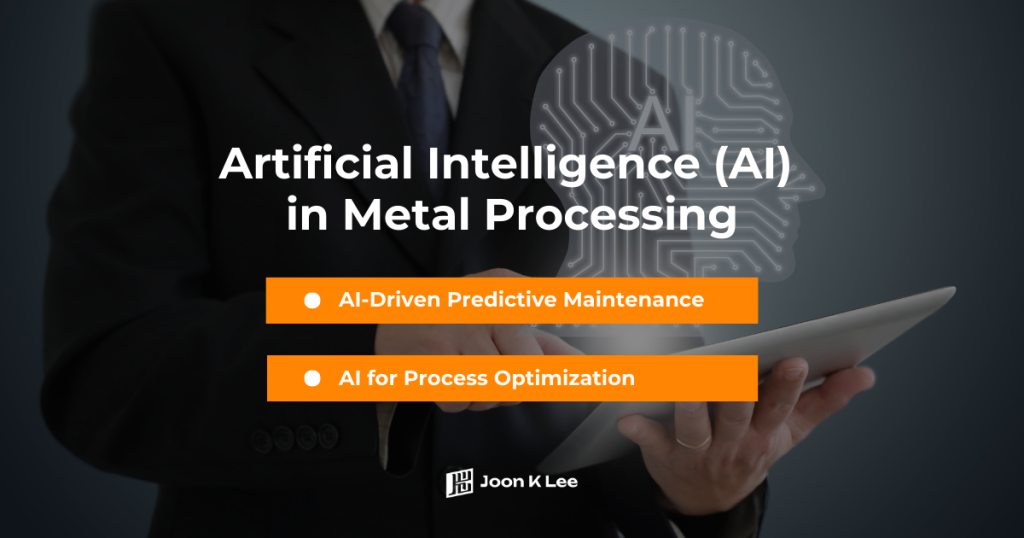
AI has become a game changer in the world of metal processing technology as it influences everything from enhancing equipment maintenance predictability to streamlining operational processes for making informed decisions backed by data analysis.
AI-Driven Predictive Maintenance
Predictive maintenance leverages intelligence and machine learning algorithms to assess data collected inside data storage from sensors and machinery and anticipate potential failures in advance. This method enables businesses to conduct maintenance proactively to prevent breakdown incidents and prolong the lifespan of equipment.
Case Study: Rio Tinto
Rio Tinto has effectively integrated AI-powered maintenance into its aluminum smelters to boost operational efficiency and minimize unexpected downtimes and maintenance expenses by 15%. The utilization of machine learning algorithms to scrutinize data and track equipment performance in real-time ensures seamless operations and increased productivity in their metal processing plants.
AI for Process Optimization
AI is also involved in enhancing the phases of metal processing, like smelting and refining, through optimization techniques and alloying methods. By analyzing a multitude of factors, AI figures out the best conditions for metal processing resulting in increased production process efficiency, less wastage, and lower energy usage.
Case Study: ArcelorMittal
ArcelorMittal is among the companies in the steel and mining industry globally and makes use of artificial intelligence to improve its manufacturing process effectively. They employ cutting edge analytics to forecast the mix of temperature pressure and raw material makeup for creating top notch metals while conserving energy efficiently. This strategy has led to a 5 % rise in metal output and a 10 % decline, in energy usage.
2. IoT in Supply Chain Management

The Internet of Things (IoT) is transforming supply chain management in metals by monitoring and overseeing the entire process in real-time using devices like sensors and GPS trackers that gather data at different points, from mining to warehousing and transportation.
IoT for Real-Time Monitoring and Inventory Management
Businesses can use IoT devices and technology to keep an eye on their metal inventory levels and efficiently manage shipments and logistics in real time to improve efficiency and customer satisfaction by reducing lead times and cutting down on inventory expenses while ensuring timely deliveries to customers.
Case Study: BHP Billiton
One of the global resource companies is BHP Billiton, which has incorporated IoT technology into its copper mining and refining processes within its supply chain operations. Miniscule IoT devices sensor have been placed at points across their supply chain to offer up-to-the-minute data regarding production levels, equipment status, and shipping conditions. This data empowers BHP to enhance inventory management by cutting down surplus stock and making sure holding costs are minimized. Maintaining a consistent copper supply for their customers.
IoT for Enhanced Safety and Efficiency
Internet of Things (IoTs) is also vital for improving safety and productivity in metal processing facilities, where companies can promptly recognize and deal with safety risks by utilizing IoT devices to track machinery status and ensure worker well-being.
Case Study: Norsk Hydro
Norwegian company Norsk Hydro has adopted technology to oversee safety and productivity at its aluminum processing facilities efficiently and safely compliant with regulations and avoiding incidents through sensor monitoring of equipment performance and environmental factors leading to a 20 percent decrease in safety issues and a 10 percent enhancement, in operational effectiveness.
3. Blockchain for Supply Chain Transparency

Blockchain technology is becoming more and more popular in the nonferrous metals sector as a way to improve transparency and trust in the supply chain process. A blockchain serves as a distributed and unchangeable ledger that logs transactions among a network of computers to create a secure history of all stages in the supply chain journey.
Blockchain for Ethical Sourcing and Compliance
Blockchain has the capability to trace the origins and path of metals from the mining site all the way to the end consumer to guarantee sourcing and adherence to global standards—a crucial measure for metals such as cobalt and copper is known for instances of unethical mining practices.
Case Study: IBM and Codelco Partnership
IBM has teamed up with Codelco. The copper producer globally. To introduce a blockchain system for monitoring the copper’s journey across its supply chain route. The digital platform built on technology logs each step of the process, including extraction and refining to shipment and receipt, to maintain a permanent record guaranteeing responsible sourcing of copper. This move has boosted transparency and confidence among both customers and collaborators, elevating Codelcos standing in the market scene.
Smart Contracts for Automated Transactions
Blockchain technology also allows for the implementation of contracts. Automated contracts where the agreement terms are encoded directly into the system code language. Smart contracts in the metals sector can streamline payment procedures. Cut down on administrative expenses while also lowering the chances of conflicts arising.
Case Study: MineHub Technologies
MineHub Technologies operates a platform for the mining and metals industry that leverages technology to facilitate transactions between metal buyers and sellers through smart contracts. It streamlines contract management by digitizing and automating the process resulting in decreased time and expenses while enhancing transaction security and transparency.
4. The Future of Technology in Nonferrous Metal Processing

The nonferrous metals sector is changing rapidly as it embraces AI technology and other digital advancements, like IoT and blockchain—an integration that will play a role in moving forward by tackling several challenges. In the years of metal processing development and innovation are expected to focus on automation improvements leading to enhanced efficiency and sustainability efforts aimed at reducing the effect on environmental conditions.
AI-Driven Autonomous Mining Operations
The development of AI-driven autonomous vehicles and robotics will revolutionize mining operations, making them safer, more efficient, and less reliant on human labor.
IoT-Enabled Smart Factories
IoT will play a key role in developing smart factories where all equipment and processes are interconnected and optimized in real-time.
Blockchain for Carbon Footprint Tracking
Blockchain technology has the potential to monitor and verify the impact of metal manufacturing processes accurately and transparently for consumers and regulators who prioritize sustainability concerns.
Key Insights on the Role of Technology in Nonferrous Metals Industry
Incorporating cutting-edge technologies such as AI, IoT, and blockchain into the ferrous metals sector is transforming how metals are processed and how supply chains are managed. By utilizing these technologies, businesses can streamline their operations, cut expenses improve transparency in the supply chain, and meet the increasing need for friendly practices. As technology progresses, companies that adopt these methods will have a competitive edge in navigating the ever-changing landscape of the industry.

Written by Joon K Lee
Owner

Everything You Need To Know About Conversions
Conversion rates are one of the most important indicators you should look…
What are the Best SaaS Tools for Digital Marketers?
Software as a Service, or SaaS, is a cloud-computing software accessed through…