
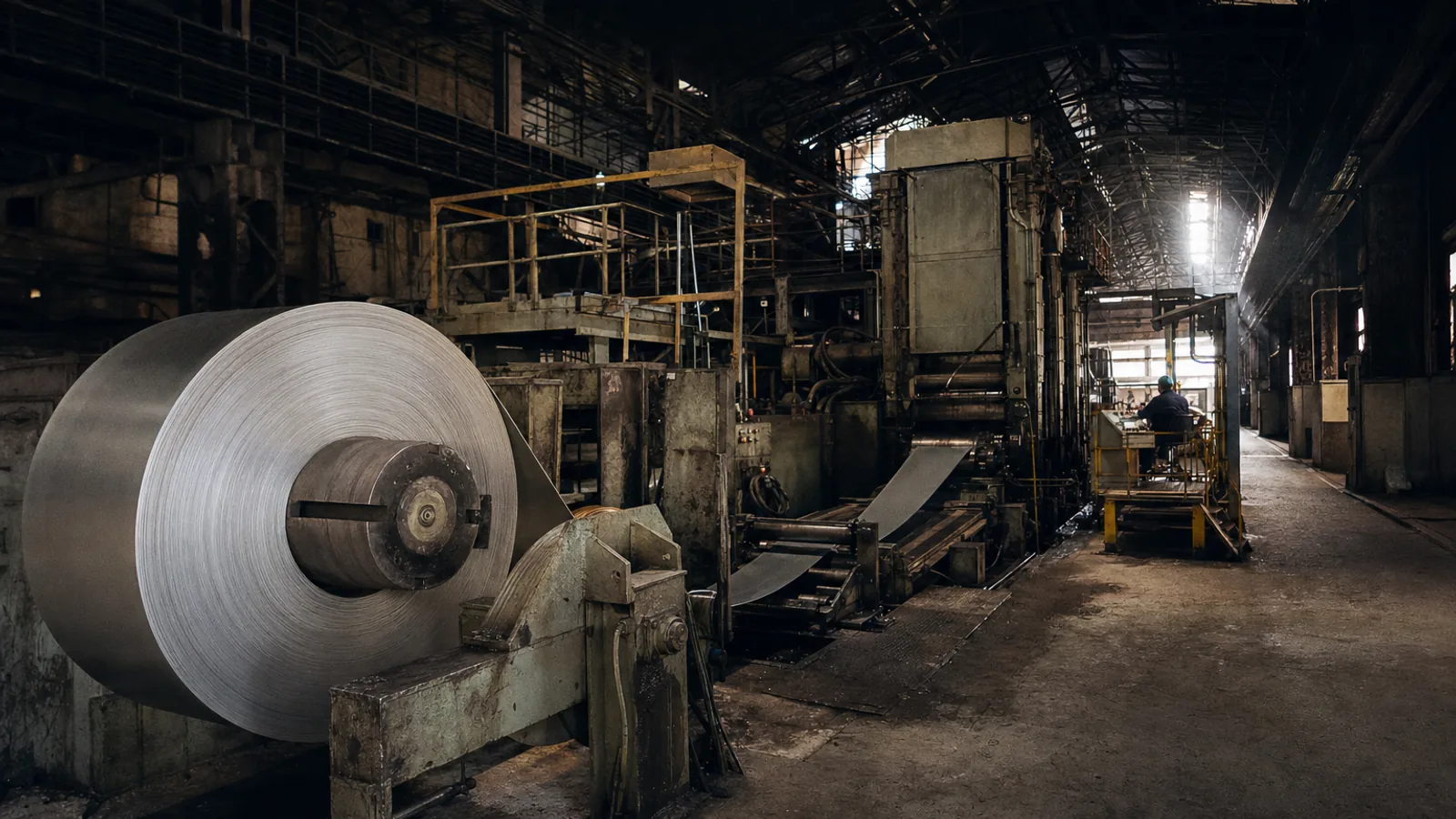
Korea has no primary aluminum smelter. Every coil, sheet, and roll of battery foil made here starts as imported ingot or slab, and is sold as a high-specification product to automakers, can makers, and battery cell producers in Korea and abroad. This series is about that downstream position and what it means in trade.
It covers five subjects. Rolling mills: who rolls sheet, strip, and foil in Korea, plant by plant. Foil: the cathode foil and pouch film that tie Korean mills to the battery industry. Tariffs: Section 232 in the United States, smelt-and-cast and origin rules under KORUS and the EU agreement, and CBAM in Europe. Prices: the premium a buyer pays over the LME, and what metal costs landed in Korea against other markets. Sourcing: how to qualify a Korean supplier of coil, sheet, plate, extrusions, or recycled-content product, and how to ship it out of Busan.
The series is written for procurement and supply chain teams buying Korean aluminum, for metal suppliers selling into Korean mills, and for executives weighing Korea against other sources. Each article states the date of its data and cites its sources. Read it in the order below, or start with the question in front of you.