The Ultimate Guide to Nonferrous Metals: Market Trends, Uses, and Trade Insights
September 2024 / Nonferrous Metal

Introduction to Nonferrous Metals
Nonferrous materials play a role in contemporary industries due to their lightweight nature and excellent conductivity, their ability to resist corrosion, and the fact that they are not magnetic like ferrous metals containing iron. Materials such as aluminum, copper, lead, nickel, tin, titanium, and zinc offer characteristics that are crucial in industries like automotive aerospace, construction electronics, and renewable energy. The nonferrous metals industry is vast and varied due to the array of uses and the ongoing focus on creativity and environmental responsibility in this sector.
Nonferrous metals play a role in the progress of technology and the construction of infrastructure in today’s worldwide economy. Their adaptability and dependability have resulted in their application in industries that demand top-notch materials capable of enduring tough conditions and challenging requirements. For instance, aluminum’s lightweight nature and resistance to corrosion have positioned it as a favored material in the production of vehicles and aircraft, while copper’s exceptionally high electrical conductivity is essential for wiring and electronic devices.
With the changing landscape of industries and increasing focus on issues, the nonferrous metals market growth is also experiencing notable transformations. Developments like the emphasis on sustainability, improvements in metal processing methods, and geopolitical factors are influencing this sector. Having a grasp of these shifts is essential for companies, investors, and parties interested in maneuvering through the intricacies of this market.
Current Market Trends in Nonferrous Metals (2024 and Beyond)
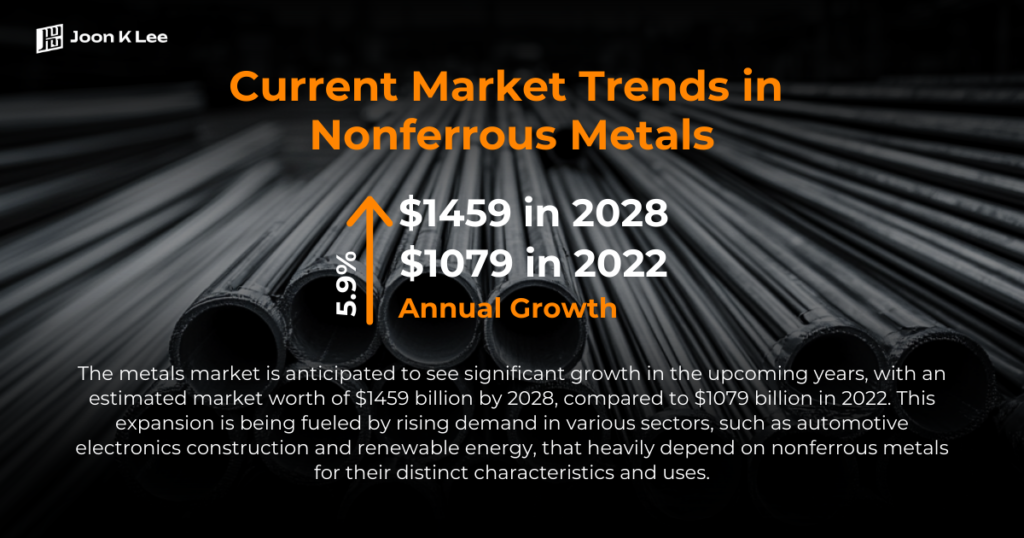
The metals market is anticipated to see significant growth in the upcoming years, with an estimated market worth of $1459 billion by 2028, compared to $1079 billion in 2022. This expansion is being fueled by rising demand in various sectors, such as automotive electronics construction and renewable energy, that heavily depend on nonferrous metals for their distinct characteristics and uses.
1. Increased Demand from the Automotive and Aerospace Sectors
The automotive industry continues to play a role in driving the demand for nonferrous metals due to the growing popularity of electric vehicles (EVs). EVs rely on copper for electrical parts and wiring compared to traditional internal combustion engine (ICE) vehicles, which has led to an increase in global copper consumption. Moreover, aluminum plays a role in crafting lightweight vehicle structures that improve energy efficiency and mileage. Additionally, the aviation sector relies heavily on high-performance metals such as aluminum and titanium for aircraft production, further fueling the need for these materials.
In the year of 2024, the increase in electric vehicles (EVs) is projected to sustain the need for nonferrous metals as governments globally offer encouragement for eco-friendly transportation options. This pattern is anticipated to prompt companies to ensure a source of these metals, underscoring the significance of effective supply chain administration and trade tactics.
2. Growth in the Construction Industry
The building sector also heavily relies on metals for various purposes, such as constructing structures and roofs as well as for plumbing and electrical installations. Aluminum and copper are favored choices because of their strength, resistance to rust, and upkeep needs. The current surge in construction activities in developing nations and the refurbishment and enhancement of infrastructure in developed regions is projected to increase the demand for these metals.
In the construction industry, moving forward to 2024 and beyond, metals like high-performance alloys and energy-efficient materials are becoming more attractive due to advancements in building technologies and materials.
3. Sustainability and Recycling: A Driving Force
The focus has shifted towards sustainability in the nonferrous metals sector lately with companies embracing eco-production techniques and bolstered recycling facilities to lessen their impact on the environment significantly. Nonferrous metals are highly suitable for recycling due to their ability to be melted down and repurposed without altering their core characteristics—a fit for a circular economy approach that aims at continual resource reuse to cut down waste and expenses effectively.
In the year 2024, it is anticipated that a growing number of businesses will focus their resources towards recycling projects and technologies to support worldwide sustainability objectives and strengthen their competitiveness in the industry by reusing aluminum which consumes up to 95 percent less energy than the creation of primary aluminum, from bauxite ore while concurrently decreasing greenhouse gas emissions and cutting down energy expenses significantly.
Applications and Uses of Key Nonferrous Metals
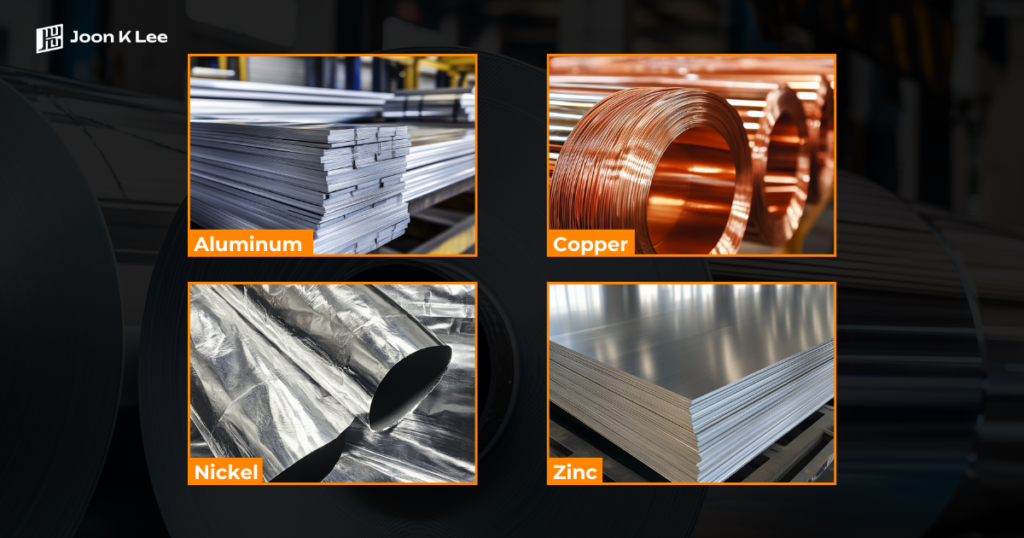
Nonferrous metals play a role in various industries due to their distinct characteristics, such as light weightiness and excellent conductivity, along with resistance to corrosion and non-magnetic properties. They are widely used in applications worldwide and are of significant importance. They are also witnessing evolving trends in the global market scenario.
Aluminum: The Lightweight Powerhouse
Aluminum is commonly used worldwide as a lightweight nonferrous metal known for its excellent corrosion resistance. Aluminum industrial scrap materials are famous for packaging other than plastics. It plays a role in industries such as automotive, especially automobile industry, aerospace construction, and packaging. With the increasing focus on sustainability and efficiency globally, the need for aluminum is on the rise.
- Automotive Industry: Due to the shift towards vehicles in the automotive industry, aluminum has become more prominent in various applications, such as crafting car bodies and battery enclosures. Its light weight nature allows for structures without added bulk resulting in enhanced fuel efficiency and increased driving distance for EV owners. Experts anticipate a continued rise in aluminum usage for vehicle parts moving forward.
- Aerospace Industry: In the aerospace sector, aluminum alloys are crucial due to their combination of weight and strength. These alloys play a role in crafting airplane bodies, wings, and various parts to enhance fuel efficiency without compromising safety and longevity.
- Construction Sector: Aluminium is widely preferred in the construction industry due to its strength and longevity as well as its eco-friendly nature, with ease of maintenance and recyclability being key factors in its popularity for various uses like window frames and curtain walls to roofing materials and structural elements in buildings worldwide The increasing number of infrastructure developments globally particularly in developing countries contributes to the increased need for aluminum, in construction projects.
Copper: The Conductor of Modern Life
Copper is a nonferrous metal known for its excellent conductivity and excellent heat exchangers. It is commonly utilized in wiring, consumer electronics, plumbing, and renewable energy setups. Copper contributes to the shift towards a low-carbon economy, making it highly desired among metals.
- Electrical and Electronics Industry: The use of copper as a conductor of electricity is crucial in the production of wiring, or we can call it power transmission lines and components, due to its efficiency in conducting electricity well—this metal is increasingly in demand because of the rising need for electronics for household appliances and the expansion of renewable energy sources such as wind and solar power systems which depend significantly on copper materials for their functionality—it plays a vital role in wind turbines and solar panels while also being essential in the development of electric grid infrastructure that is pivotal, for reaching worldwide climate objectives.
- Plumbing and HVAC Systems: Copper is widely utilized in plumbing setups because of its durability against rust and capacity to endure temperatures. Additionally, copper is employed in heating and air conditioning systems (HVAC), cementing its position in residential and commercial settings.
- Electric Vehicles and Renewable Energy: Using copper is crucial for making cars and renewable energy devices. Electric cars need about four times more copper than regular cars for the wiring in their electric motors, batteries, inverters, and charging stations. As the world focuses more on cutting carbon particle emissions, the demand for copper in these industries is predicted to rise.
Nickel and Titanium: High-Performance Alloys
Nickel and titanium are recognized for their strength and durability in harsh conditions as well as their ability to withstand corrosion—a crucial characteristic for specific uses in industries such, as aerospace engineering and defense sectors where top notch performance is essential.
- Aerospace and Defense: Nickel-based superalloys enhance the performance of aircraft engines and turbines by effectively withstanding extreme temperatures and stress levels. Likewise, different types of titanium alloys have applications in the aerospace and defense sectors due to their superior strength-to-weight ratio and resistance to corrosion. These metals contribute significantly to enhancing fuel efficiency and lowering maintenance expenses for both aircraft and military vehicles.
- Medical Implants and Equipment: Titanium is considered biocompatible because it doesn’t cause reactions with human tissue. That’s why it is widely used in medical implants like joint replacements and dental implants, as well as in surgical tools and other medical devices for its durability and ability to withstand sterilization processes.
Zinc and Lead: Essential for Construction and Batteries
While zinc and lead may not always steal the spotlight as some other nonferrous metals do in industries.
- Galvanization and Construction: The main application of zinc lies in galvanizing to shield steel from corrosion and effectively prevent rust formation in the construction sector, creating steel buildings and infrastructure like bridges and pipelines. Zinc’s significance in critical structures against deterioration is crucial for ensuring their longevity in construction projects.
- Lead-Acid Batteries: Lead-acid batteries continue to be used in automotive starter batteries and backup power systems despite the increasing preference for lithium-ion batteries. This is due to the lead’s capability to deliver high surge currents and its recyclable nature, which makes it ideal for applications where weight is not a major consideration.
Global Trade Insights for Nonferrous Metals
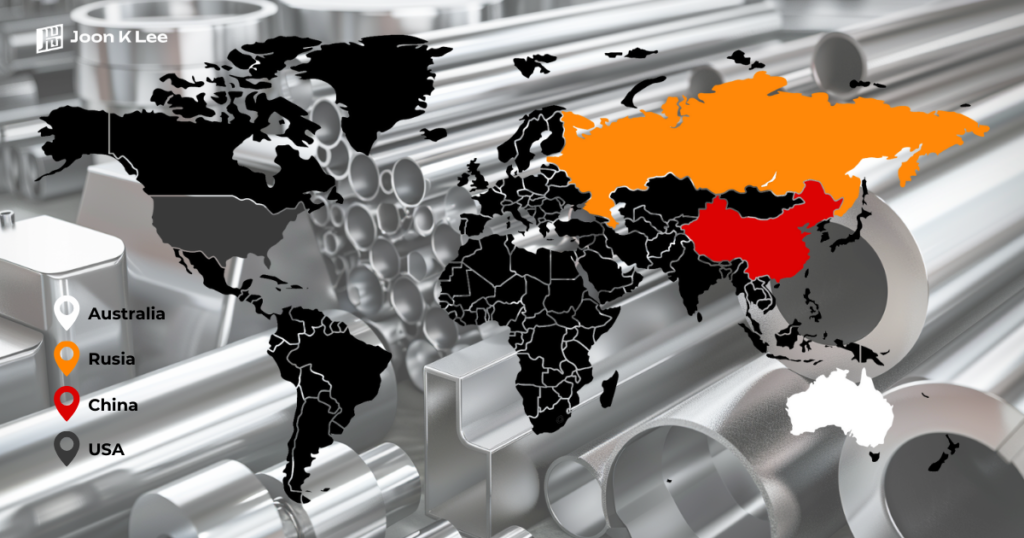
The market for metals is truly global in nature and is greatly impacted by geopolitical conditions, the economic policies of different regions, and the overall international demand for these metals. The leading contributors to nonferrous metals production and trade, such as China, the United States, Australia, and Russia, play a role in shaping the worldwide supply chain.
Key Global Players and Production Hubs
- China: China stands out as the global producer and user of nonferrous metals such as aluminum and copper. The nations swift industrial growth alongside infrastructure development and a thriving automotive industry has solidified its leading position in the nonferrous metals sector. Initiatives like the ” Belt and Road Initiative ” also contribute to the growing need for these metals as China continues to invest in infrastructure ventures throughout Asia, Africa, and Europe.
- Australia and Chile: Australia stands out as a producer of bauxite (essential for making aluminum) and zinc, and it is a key player on the global stage when it comes to copper production. Chile is the largest in the world market, and supply chain efficiency is crucial, with a specific focus on Asia and Europe.
- Russia and the United States: Russia plays a role in the production of aluminum products, and the United States is a major user and processor of nonferrous metals like aluminum and copper alloys. Tensions arising from issues between these nations could potentially disrupt the supply chain network, significantly affecting worldwide prices and trade routes.
Import and Export Dynamics
- Countries such as China, Russia, and Australia export nonferrous metals, while European and North American nations are known for their substantial imports of these materials. The movement of these metals across borders is heavily impacted by trade deals, tariffs, and political tensions.
- The effects of tariffs and trade tensions on nonferrous metals trading are substantial and undeniable. Especially evident in the ongoing disputes between the United States and China. These geopolitical dynamics have far-reaching consequences on market prices fluctuating unpredictably and prompting companies to reassess their supply chain management and procurement strategies within the metals industry.
In this part of the discussion, we’ve looked into how nonferrous metals are used and their importance in global trade which influences their availability and cost trends. As we step into a period where sustainability and technological advances are boosting demand for these metals significantly, it’s clear that the nonferrous metals market is set to undergo changes. Understanding these aspects is key for companies and individuals involved in navigating through this intricate environment.
Technological Advancements and Innovations in Metal Processing
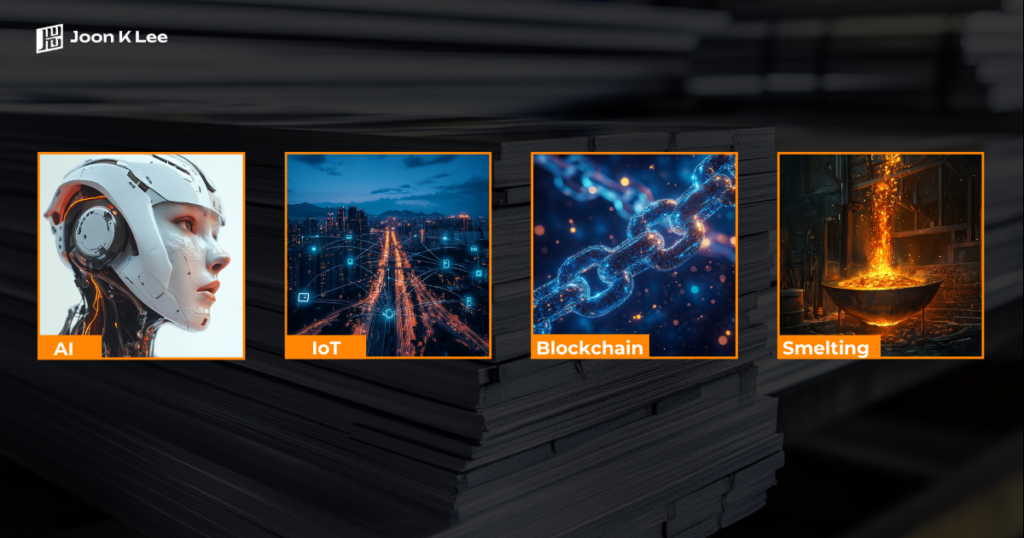
The industry for metals that are not affected by iron is changing due to technological advancements. This progress is important for making production processes cheaper while also helping the environment. These new developments are changing how metals are processed and managed in the supply chain by using technologies like intelligence (AI), the Internet of Things (IoT), and blockchain tech.
Artificial Intelligence (AI) and Machine Learning (ML) in Metals Processing
AI and machine learning are impacting the nonferrous metals sector by allowing companies to analyze vast amounts of data for better production planning and efficiency improvements. AI-driven predictive maintenance strategies also allow companies to predict equipment malfunctions in advance to prevent disruptions in operations and enhance productivity.
In today’s market environment, machine learning algorithms are valuable tools for examining market trends and offering precise predictions. These empower companies to base their decisions on data regarding managing supplies and acquiring raw materials. This ability is particularly important in markets where there are frequent price fluctuations, enabling businesses to better protect themselves against potential risks.
IoT and Real-Time Monitoring
The Internet of Things (IoT) is transforming how nonferrous metals are processed and handled these days. IoT gadgets like sensors and smart meters offer data about production processes offering improved regulation over factors such as temperature, pressure, and flow rates. This live monitoring guarantees quality and uniformity in metal production while also reducing waste and energy use.
For instance, technology can assist aluminum producers in overseeing the electrolysis procedure with greater precision, thereby lowering energy consumption, a major expense in aluminum production. Additionally, IoT has the capability to enhance operations by keeping tabs on shipments and supervising storage conditions to guarantee that the metals are delivered to their destination in prime condition.
Blockchain for Transparency and Traceability
The use of technology is becoming more popular in the nonferrous metals sector to improve transparency and trust in the supply chain process globally due to its vital role in verifying the responsible sourcing of raw materials and preventing illicit activities along the supply chain journey by creating a secure and unchangeable record of all transactions involved in mining operations through, to product distribution and sales.
Many businesses are now using technology to monitor the path of metals from extraction to customer delivery to ensure ethical sourcing and adherence to global rules and standards This innovation is particularly important in confirming the sources of metals such as cobalt that are frequently extracted in unethical environments Blockchain offers enhanced transparency that enables companies to establish stronger relationships based on trust, with their clients and collaborators.
Advanced Smelting and Refining Technologies
Lately there have been strides in the realm of metal production thanks to advancements in smelting and refining technologies that are enhancing efficiency and sustainability levels significantly. Take flash smelting and continuous casting techniques as an example. They are playing a role in lowering energy usage and emissions during metal processing operations. Moreover, improvements in refining methods for metals such as copper and nickel are leading to higher-quality output with minimal harm to the environment.
A new exciting development involves utilizing plasma technology for metal recycling processes! This cutting edge technology efficiently breaks down alloys and retrieves precious metals while consuming minimal energy—a significant advantage when recycling nonferrous metals such as aluminum, copper, and titanium to ensure quality consistency in materials.
Investment Opportunities and Challenges in the Nonferrous Metals Market
Investors face a mix of promising prospects and potential hurdles in the nonferrous metals market. The industry’s growing appetite for these metals, alongside the demands of the construction and renewable energy sectors, is shaping the investment scene attractively. Yet, maneuvering through this market successfully requires an assessment of various critical factors beforehand.
Key Drivers of Investment Decisions
- Demand from Growing Industries: The increasing transition to cars and sustainable energy solutions is boosting the need for metals other than iron and steel that don’t contain iron as a primary element or have only a small amount of it. Those who grasp the developments in these expanding fields can spot chances to support businesses that thrive on these changes.
- Technological Innovations: Companies that invest in cutting-edge processing technologies and sustainability efforts tend to catch the eye of investors more often than others. These businesses have a leg up when it comes to controlling expenses and lessening their footprint while staying in line with changing laws and rules—which could mean better profits in the long run.
- Geopolitical Factors: In the world of nonferrous metals, trading marketplaces are affected by geopolitical happenings and global relationships that demand constant attention from investors to navigate potential risks, like sanctions or trade disputes that may disrupt supply chains and alter price dynamics.
Risks and Mitigation Strategies
- Price Volatility: Metal prices tend to be unstable because of supply interruptions and changes in demand caused by market speculation. To manage these uncertainties effectively, investors should diversify their investments. Think about utilizing financial tools, like futures and options, to offset price fluctuations.
- Regulatory Environment: Changes in rules and trade laws can have a big effect of how much money companies make in the nonferrous metals market scene. It’s smart for investors to keep an eye out for companies that’re good at handling following the rules and being eco friendly because they’ll probably handle changes, in rules better.
- Supply Chain Disruptions: Events like earthquakes and political unrest can disrupt supply chains. Affect the availability and prices of metals like copper and aluminum for businesses to manage effectively with a combination of diverse sourcing and contingency plans in place to mitigate risks effectively.
Key Takeaways and Future Outlook
The nonferrous metals market is poised for significant growth and transformation in the coming years. Driven by demand from key sectors such as automotive, aerospace, construction, and renewable energy, the market presents numerous opportunities for businesses, investors, and stakeholders.
Strategic Positioning is Crucial: Companies and investors must strategically position themselves by investing in technology, sustainability, and risk management. Those who leverage digital transformation tools like AI, IoT, and blockchain are more likely to succeed in a rapidly evolving market.
Sustainability Will Define the Future: As global efforts to combat climate change intensify, sustainability will continue to be a significant driver in the nonferrous metals market. Companies that adopt sustainable practices, particularly in recycling and energy efficiency, will gain a competitive edge.
Adaptability and Resilience are Key: The market’s inherent volatility means adaptability and resilience are essential. Businesses and investors should stay informed about global market trends, regulatory changes, and technological advancements to navigate the market’s complexities effectively.
Opportunities in Emerging Markets: Emerging markets in Asia, Africa, and Latin America present significant opportunities for growth. As these regions industrialize and invest in infrastructure, the demand for nonferrous metals will rise, providing new avenues for trade and investment.
Final Thoughts
Navigating the nonferrous metals market requires a deep understanding of global trends, technological advancements, and the evolving regulatory landscape. By focusing on innovation, sustainability, and strategic partnerships, stakeholders can capitalize on this market’s vast opportunities while mitigating potential risks. Whether you are a business leader, investor, or industry professional, staying informed and agile will be vital to thriving in this dynamic and competitive industry.

Written by Joon K Lee
Owner

Everything You Need To Know About Conversions
Conversion rates are one of the most important indicators you should look…

What are the Best SaaS Tools for Digital Marketers?
Software as a Service, or SaaS, is a cloud-computing software accessed through…